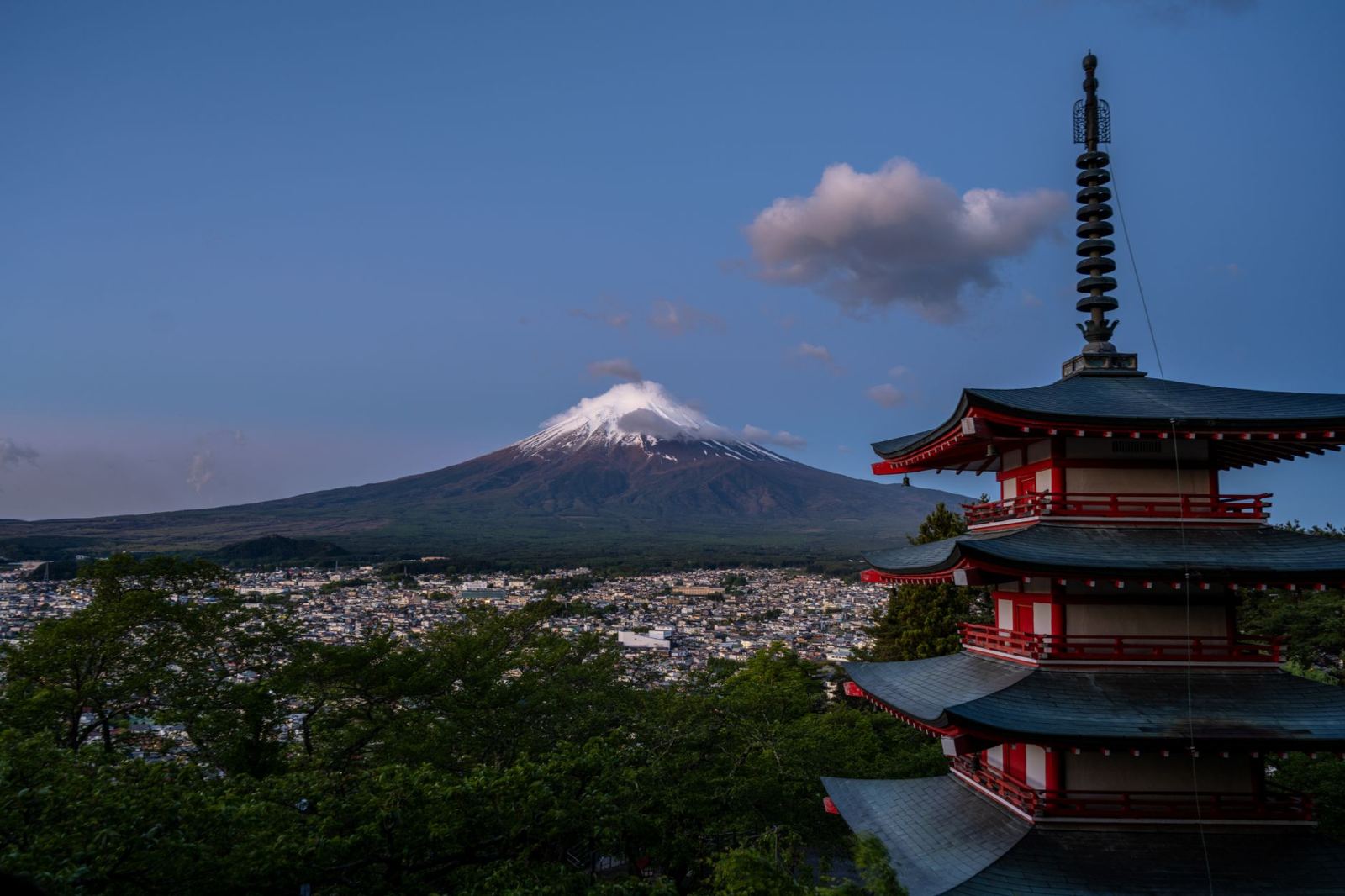
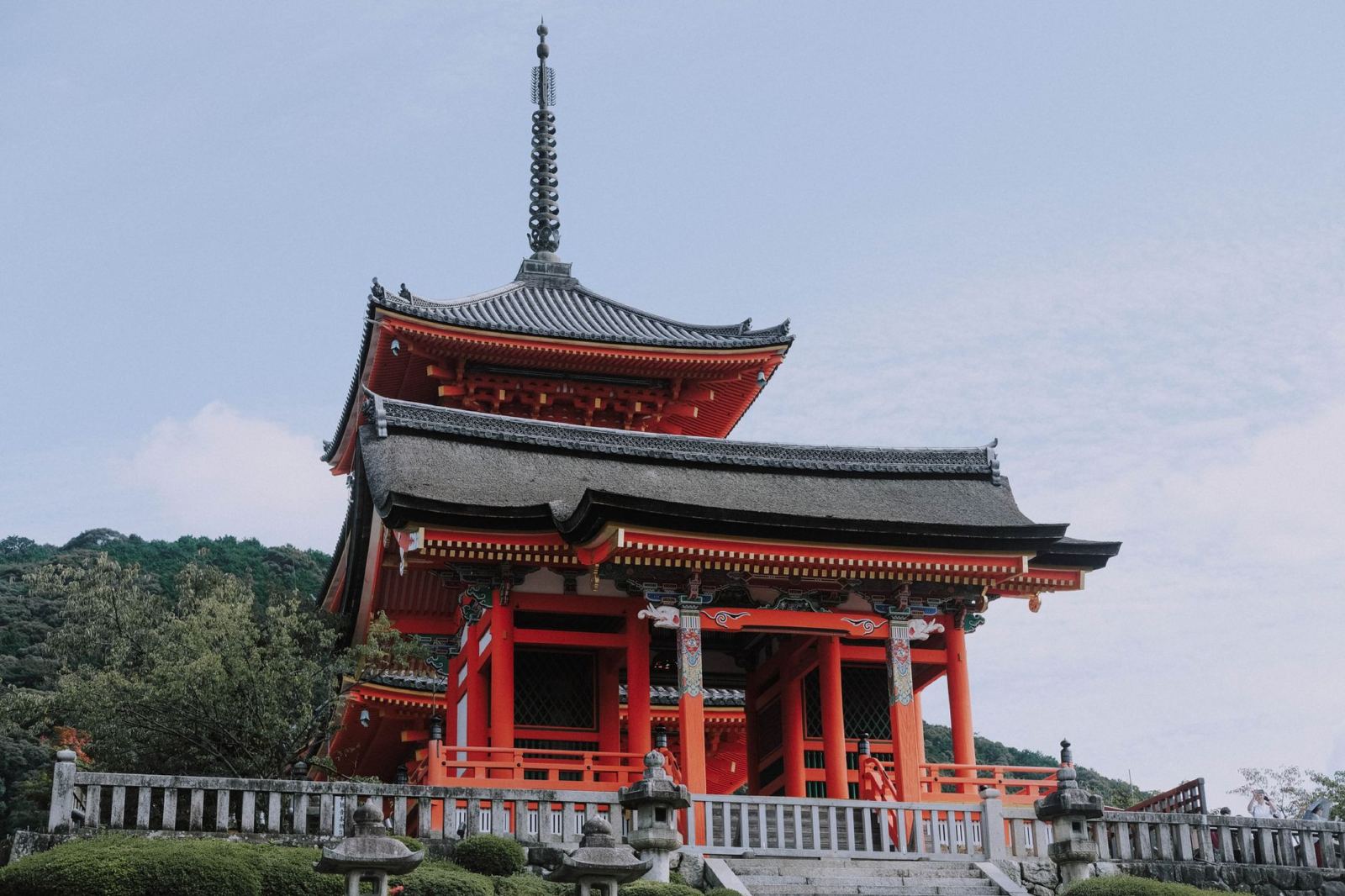
Hong Kong's secret isn't its density but its contrast: ten minutes from the world's most crowded forest of towers begin deserted hiking trails, fishing villages and empty beaches. Three-quarters of the territory is actually green — most visitors learn this only as they leave.
Cantonese culture keeps its own rhythm here: dim sum baskets in the morning tea houses, the unhurried ride of the double-decker tram (the 'ding ding'), the last generation of neon signs. The two shores of Victoria Harbour — the polish of the Island side, the raw energy of Kowloon — are two faces of one city; the Star Ferry joins them in seven minutes.
When to Go
October–December is prime: humidity drops, skies clear, hiking season opens. January–February can be cool and grey. March–April is misty but mild; skyline photos become a gamble. May–September brings oppressive humidity and typhoon season — under a typhoon signal (T8) the city stops entirely, so keep plans flexible.
What to See & Do
Ride the historic Peak Tram up Victoria Peak, but the real reward is the Lugard Road loop at the top: the skyline, crowd-free, from every angle. For the night view, check the weather and pick a clear evening.
Cross to Kowloon on the Star Ferry; sunset from the Tsim Sha Tsui promenade and the 8 p.m. light show are the classics. The Temple Street night market keeps old Kowloon alive with its fortune tellers and stall kitchens. Passing Chungking Mansions reminds you how layered this city is.
On the Island side, ride the 'ding ding' tram from the dried seafood shops of Sheung Wan to Causeway Bay; the incense spirals of Man Mo Temple are on the way. Give one full day to nature: the Dragon's Back hike (reached by metro, ending at a beach) or the Big Buddha plus Tai O fishing village combination on Lantau. A ferry to Lamma or Cheung Chau island for a seafood lunch is the locals' weekend ritual.
Food & Drink
Dim sum is a breakfast-to-lunch institution: har gow (shrimp dumplings), siu mai, char siu bao (barbecue pork buns) and cheung fun flow to the table in baskets; trolley service survives in the traditional halls. Char siu and roast goose over rice are the city's daily feast.
Cha chaan tengs (Hong Kong-style diners) are a world of their own: silk-stocking milk tea, pineapple buns (bolo bao) and macaroni breakfasts. Wonton noodles count as the city summarised in one bowl. The world's cheapest Michelin-starred restaurants are here — worth the queue. The egg waffle (gai daan jai) is the street dessert classic. The 'cooked food centres' above the wet markets are the most local dinner experience off the tourist radar.
Practical Tips
The Octopus card works on everything: MTR, trams, ferries, buses, convenience stores — and it can live on your phone. The MTR is fast and flawless; but the tram and ferry are the slow options that make you feel the city.
The Airport Express reaches the centre in 24 minutes. The world's longest escalator system (the Mid-Levels Escalator) helps with the hillside — it runs downhill in the morning, uphill after. Cash has faded but small eateries and minibuses may still want it. Take water and sun protection seriously on the trails; humidity doubles every distance. Walking-side discipline is loose in crowds, but on metro escalators you stand on the right.