Vietnam's long, narrow geography draws its own route: Hanoi and the mountains in the north, imperial heritage and lantern towns in the middle, Saigon's engine and the Mekong's water world in the south. Riding the north–south line in one trip is the classic — it wants two to three weeks, and the country changes character at every latitude.
To generations who knew the war, Vietnam was a headline; today's reality is entirely different: one of Asia's fastest-growing, youngest and most traveller-eager countries. Hanoi and Hoi An have their own guides; here we compose the country as a whole.
When to Go
One country, three climates: the north (Hanoi, Sapa, Halong) is best October–December and March–April, its winter cool and misty; the central coast (Hue, Hoi An, Da Nang) is sunny February–August, with typhoons and floods September–December; the south (Saigon, the Mekong, Phu Quoc) peaks in the December–April dry season. For travellers running the whole country, the March–April window balances all three regions at once. In Tet week (Lunar New Year, late January–February) transport fills and many businesses close.
What to See & Do
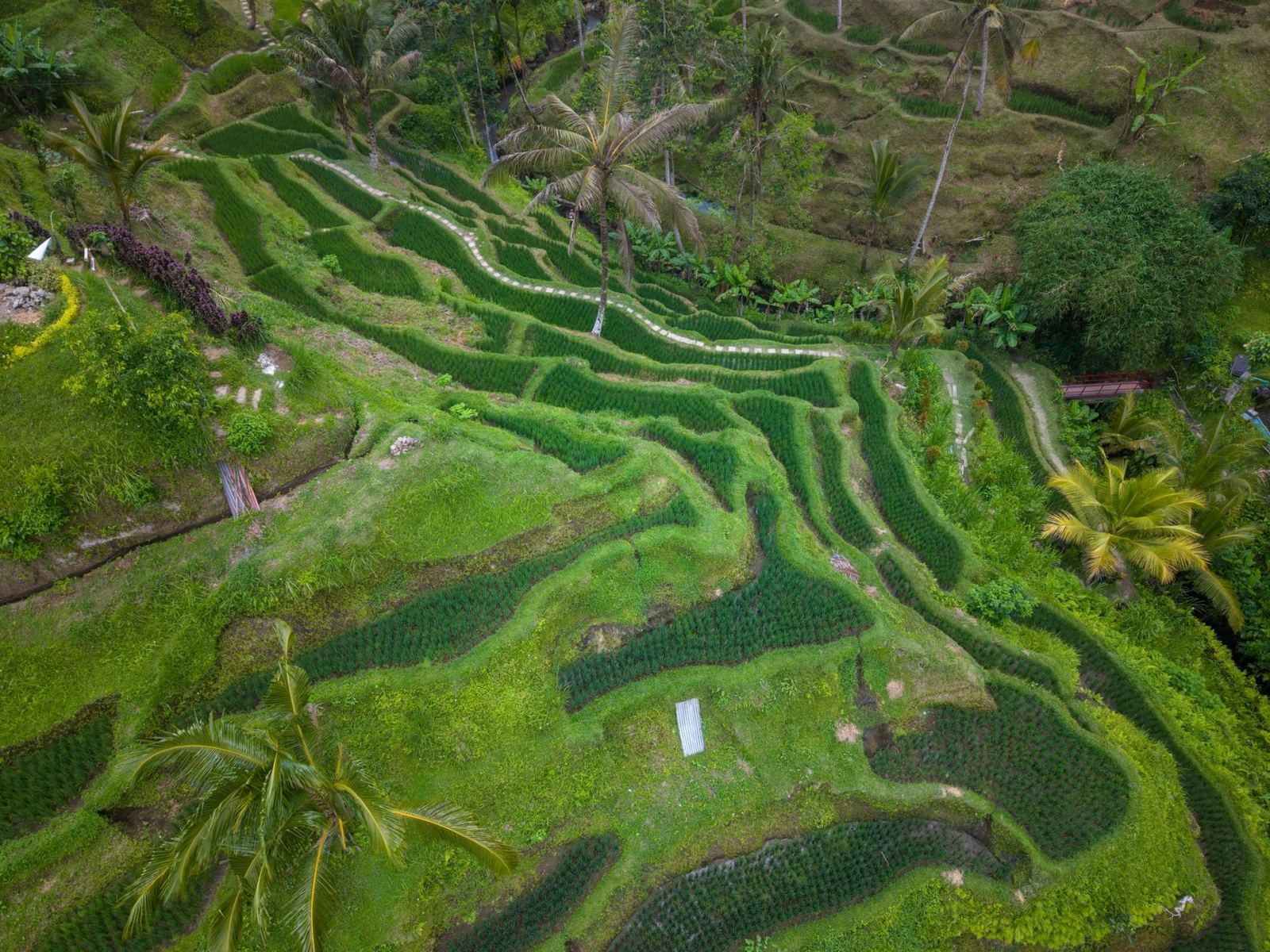
The north's classics live in our Hanoi guide (overnight boat on Halong included); the extensions are Sapa or the calmer Ha Giang's mountain terraces and ethnic markets — the Ha Giang motorbike loop counts among Asia's legendary road adventures and demands an experienced rider.
The centre is history's corridor: Hue's imperial citadel and riverside tombs connect over the cloud-wrapped Hai Van pass to Da Nang and on to Hoi An's lanterns (in its own guide). The giant caves of Phong Nha — including Son Doong, the world's largest — are the adventure chapter's capital; the accessible Paradise and Phong Nha caves work as day trips.
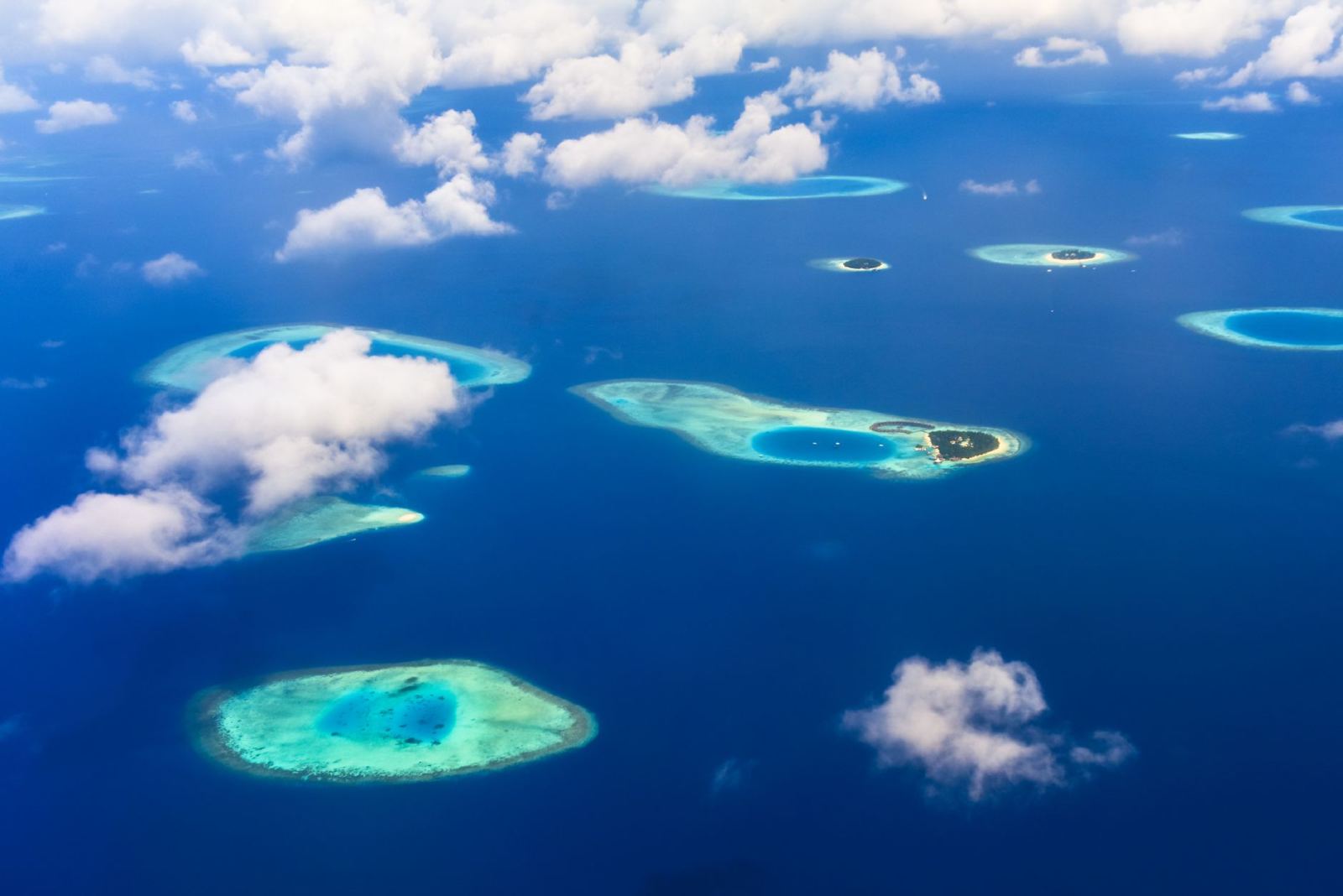
In the south, Saigon (Ho Chi Minh City) wants two days for its war museum, the Cu Chi tunnels and its rooftop bars; for the Mekong Delta's floating markets and canal villages, overnighting in Can Tho beats any day tour. In the island chapter, Phu Quoc and Con Dao close the southern route on a beach. And the country's best 'transport experience': the window view of the Reunification Express descending the coast — above all the Hue–Da Nang leg.
Food & Drink
Vietnamese cooking is built on freshness: every bowl arrives with a plate of raw herbs, and you compose the balance yourself. The north–south difference reads on the plate: Hanoi's pho is spare and poised, the south's herbal and sweeter; banh mi peaks in the centre (above all Hoi An); Hue guards the small plates of the imperial kitchen (banh khoai, bun bo Hue).
The south's stars are com tam (broken rice), delta fish claypots and Mekong fruit. Coffee culture is a national identity: ca phe sua da (iced with condensed milk), egg coffee in the north, coconut versions in the south — all brewed through the phin drip filter. Bia hoi is the north's social ritual; nhau culture (long grazing tables over beer) is the south's. The rule is uniform nationwide: plastic stool, single dish, long queue — where all three meet, sit down.
Practical Tips
Domestic transport runs on a triple system: internal flights for the long legs (Vietnam Airlines, VietJet), night trains and sleeper buses for middle distances, Grab (moto included) in the cities. Flying the north–south line one way and descending overland the other is the formula that spends time best.
The e-visa system covers most nationalities — check duration and single/multiple-entry options before departure. The dong's zeros confuse in the first days; mind the colour likeness of the 20,000 and 200,000 notes. The street-crossing technique (steady pace, no stepping back) applies nationwide. Scooter rental is everywhere, but traffic runs even denser in the south — intercity riding isn't advised outside Ha Giang. Bargaining is normal in markets, not in shops and restaurants. Don't drink the tap water. And the golden warning for a two-week plan: don't try to 'finish' Vietnam — choosing two regions of the three always beats racing through all of them.