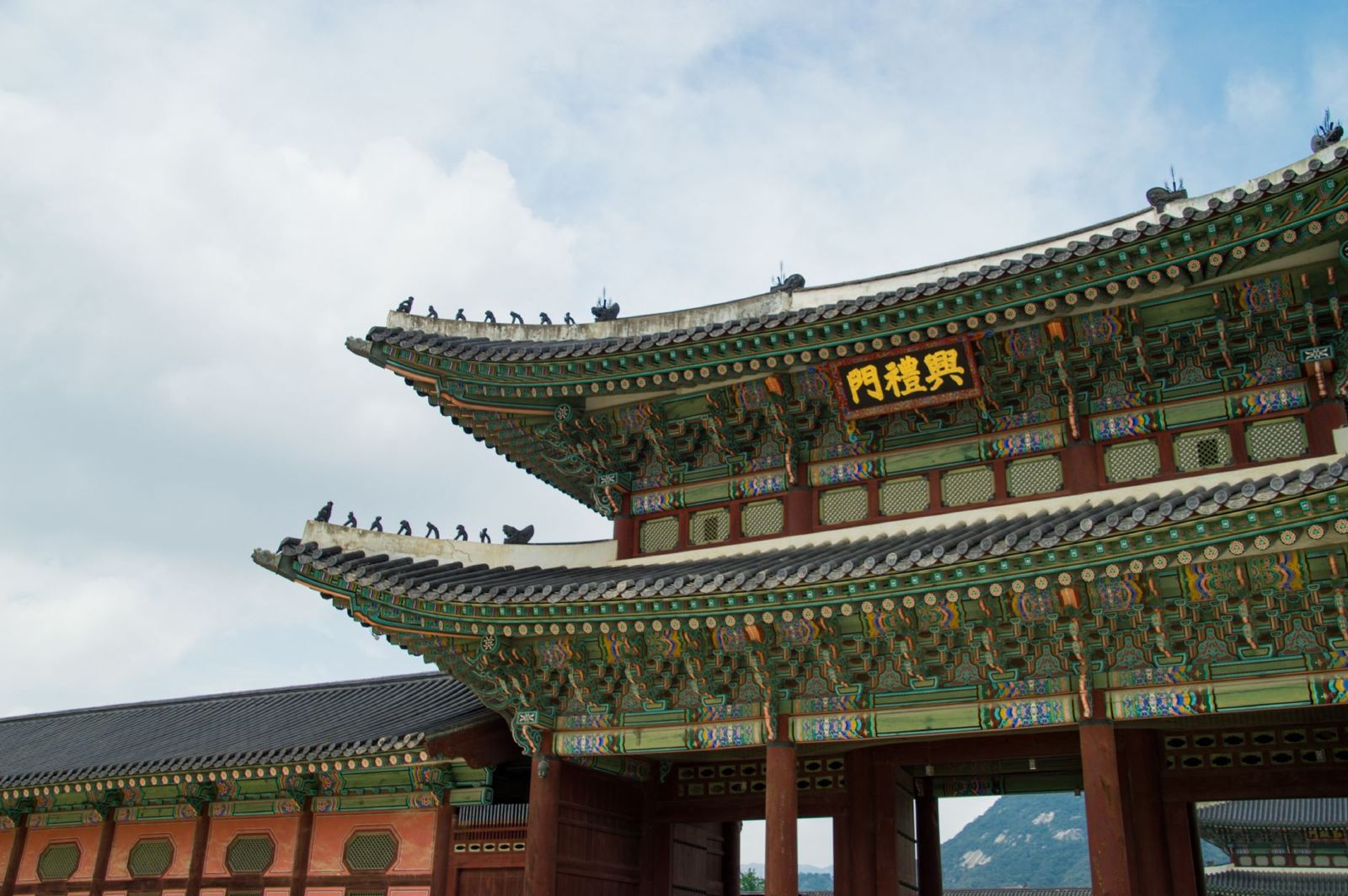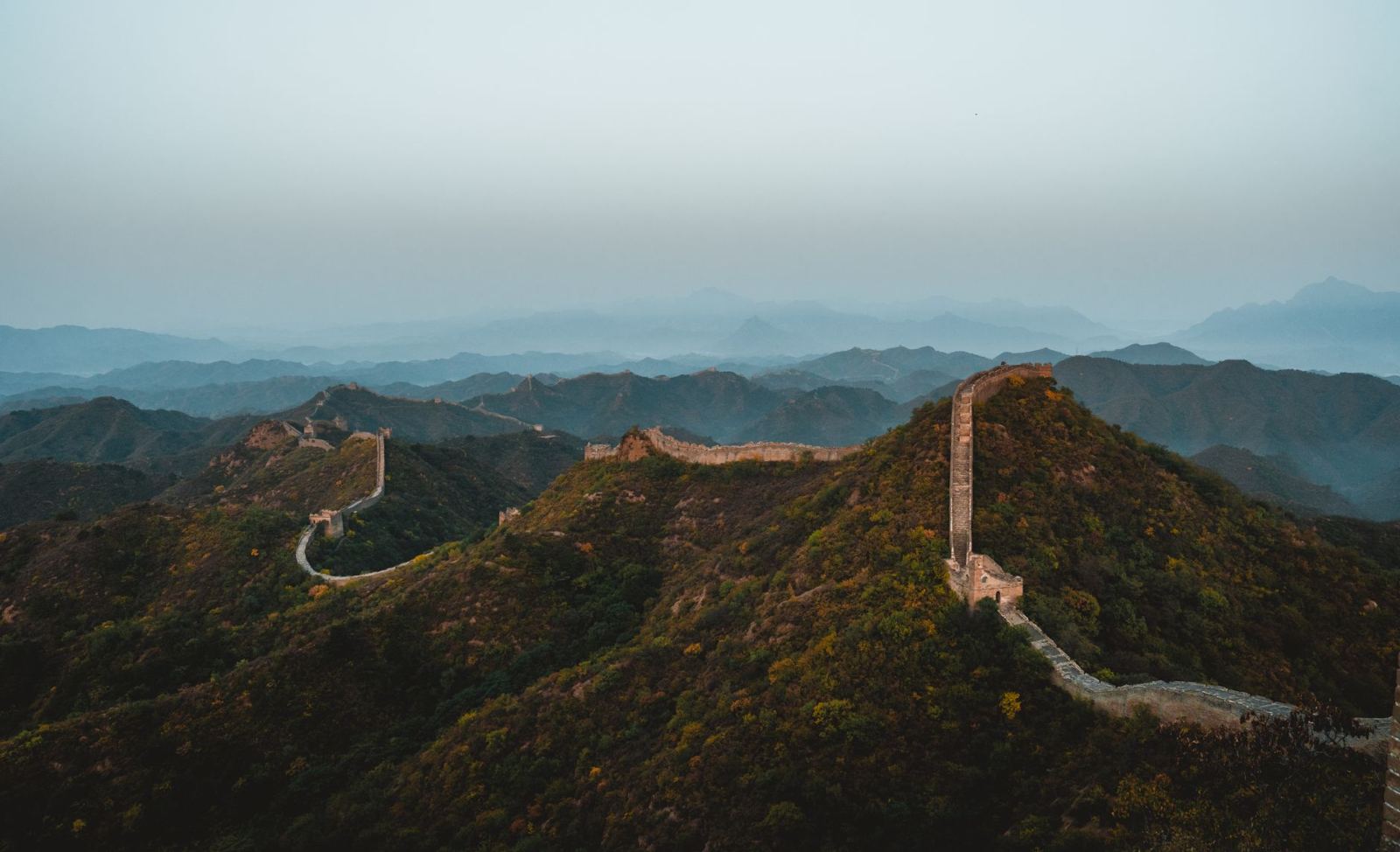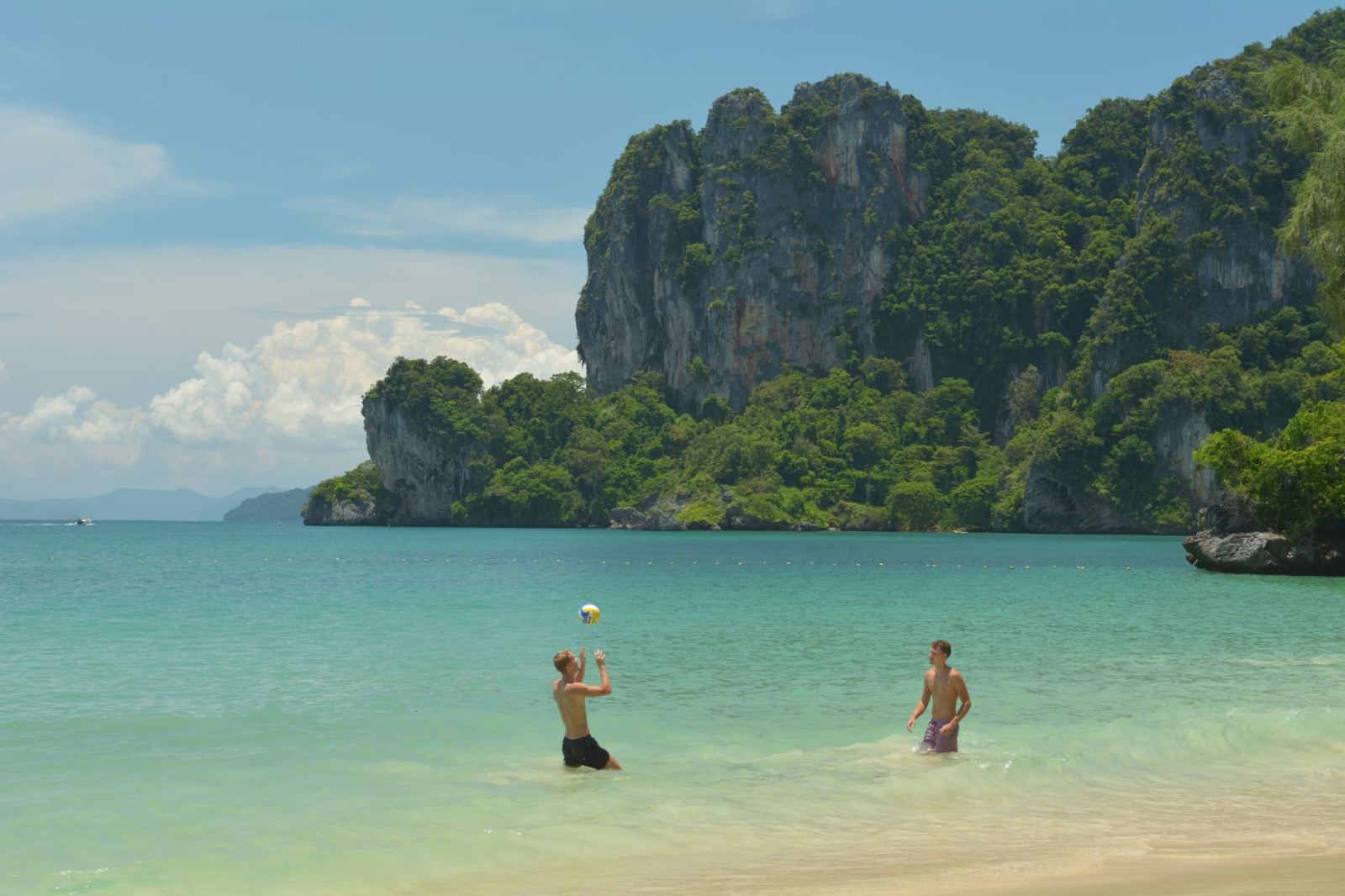
Travel in Japan is one of those rare experiences where the system itself becomes the pleasure: trains leave to the second, lost property returns, and even in the remotest town things work 'as they should'. That smoothness clears space for the country's real depth — its seasonal rituals, craft traditions and aesthetics of silence.
The classic first route is the Golden Route: Tokyo → Hakone/Fuji → Kyoto → Osaka (all three detailed in separate guides). This guide composes what lies beyond that line and the whole country's logic: where in which season, with which pass, in how many days. Japan's only flaw is time forever running short — even two weeks shows only the trailer.
When to Go
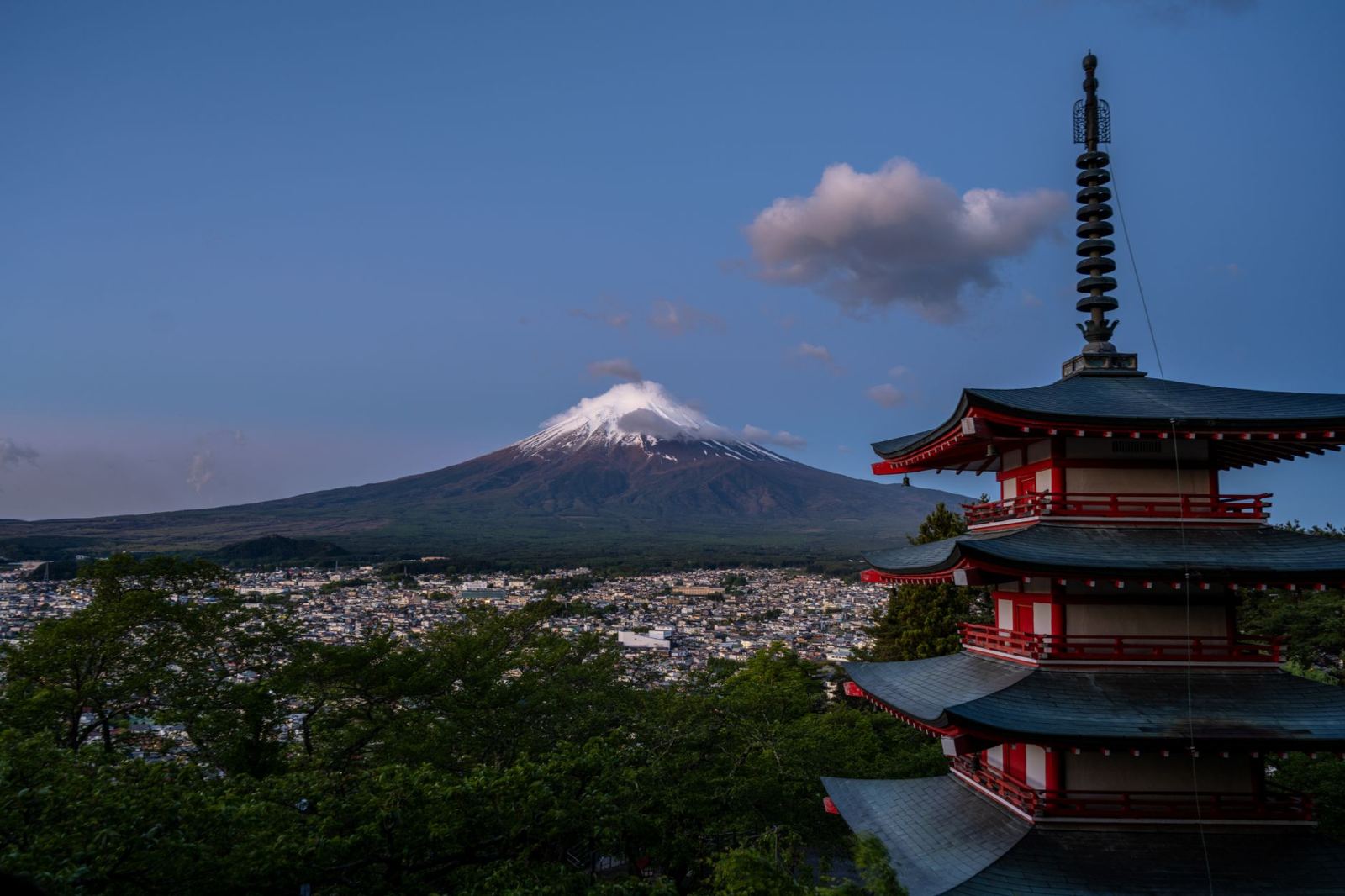
Late March–early April (sakura) and November (kōyō, the maple crimson) are the two great peaks — both demanding early booking and crowd tolerance. May and October are the clever alternatives, offering nearly the same beauty at half the density. June brings the rains (tsuyu); July–August is humidity and festival season, with transport filling during mid-August's Obon week. Winter splits in two: world-class powder in Hokkaido and the Alps (January–February), and dry, sunny, crowd-free touring weather along the Pacific coast. Fuji shows itself clearest on winter mornings.
What to See & Do
The first ring beyond the Golden Route has proven itself: Nara's deer-filled park-and-temple complex (45 minutes from Kyoto), Hiroshima's Peace Memorial with Miyajima's floating torii just offshore (check the tide times), Himeji's white castle, and Kanazawa with the Kenroku-en garden and its samurai and geisha quarters.
A deeper Japan opens through one-night stays: an onsen ryokan in Hakone or Kusatsu (open-air baths plus a kaiseki dinner), a temple lodging on Koyasan (shukubo, morning prayers included) and the old post towns of the Kiso Valley (the Magome–Tsumago walk). In the Japanese Alps, Takayama's morning market and the steep-roofed village of Shirakawa-go turn fairytale under winter snow.
The outer rings deserve their own trips: Hokkaido's wilderness and the Sapporo snow festival; Kyushu's volcanoes and the Beppu-Yufuin hot springs; Okinawa's coral sea; the art island of Naoshima (Seto Inland Sea). And the country's best 'activity' is seasonal: a hanami picnic in spring, a matsuri festival night in summer, kōyō in a temple garden in autumn — build the calendar around the scenery.
Food & Drink
Japanese food is collected region by region: Hiroshima's layered okonomiyaki, Kanazawa's seafood market, Hokkaido's miso ramen and crab, Fukuoka's tonkotsu ramen stalls (yatai), Takayama's hida beef. The signatures of Tokyo, Kyoto and Osaka live in their own guides — nationwide the rule is the same: every town has its 'meibutsu' (local speciality), and it is always worth asking for.
The ryokan's kaiseki dinner summarises the kitchen's seasonal philosophy at a single table; the train journey's ekiben (station bento box) is its everyday form — a box opened at a shinkansen window is a Japan ritual in itself. Konbini quality, depachika abundance and vending-machine coffee are the dependable supporting cast. In drink, sake is tasted region by region (Niigata and Nada are famous) and green tea at its source in Uji. And the etiquette notes: no eating while walking, ramen is slurped, and there is no tipping.
Practical Tips
Pass arithmetic is homework one: after its price rise, the nationwide JR Pass no longer pays for everyone — calculate your route; regional passes (JR West, JR East) usually make better sense. The shinkansen luggage rule: oversized cases need a reserved space; the real local solution is takkyubin (the courier service moving your suitcase hotel to hotel in a day — Japan's least-known superpower).
Suica/Pasmo lives on your phone; cash is still needed for small temples and eateries, and 7-Eleven ATMs are the reliable ones. In lodging, early booking is the single rule of sakura and kōyō seasons; shifting the ryokan night to a weekday cuts the price. Onsen etiquette: washing before entering the bath is mandatory, and tattoos remain restricted at some baths (tattoo-friendly onsen lists exist). Bins are scarce — carry a bag. Google Maps is flawless on train times. And the most valuable advice is cultural: don't hurry — Japan always shows itself more beautiful to those who wait their turn.