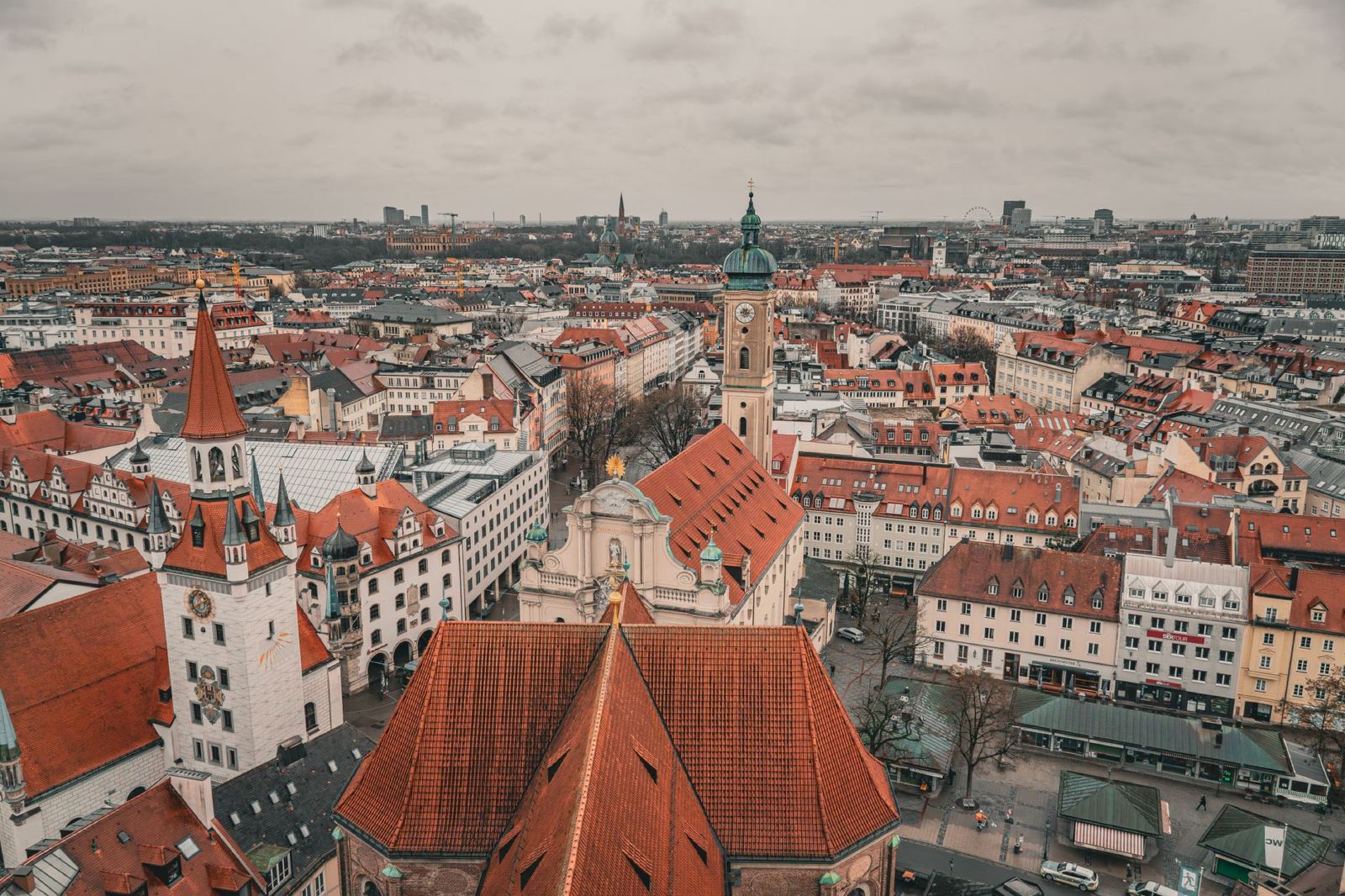
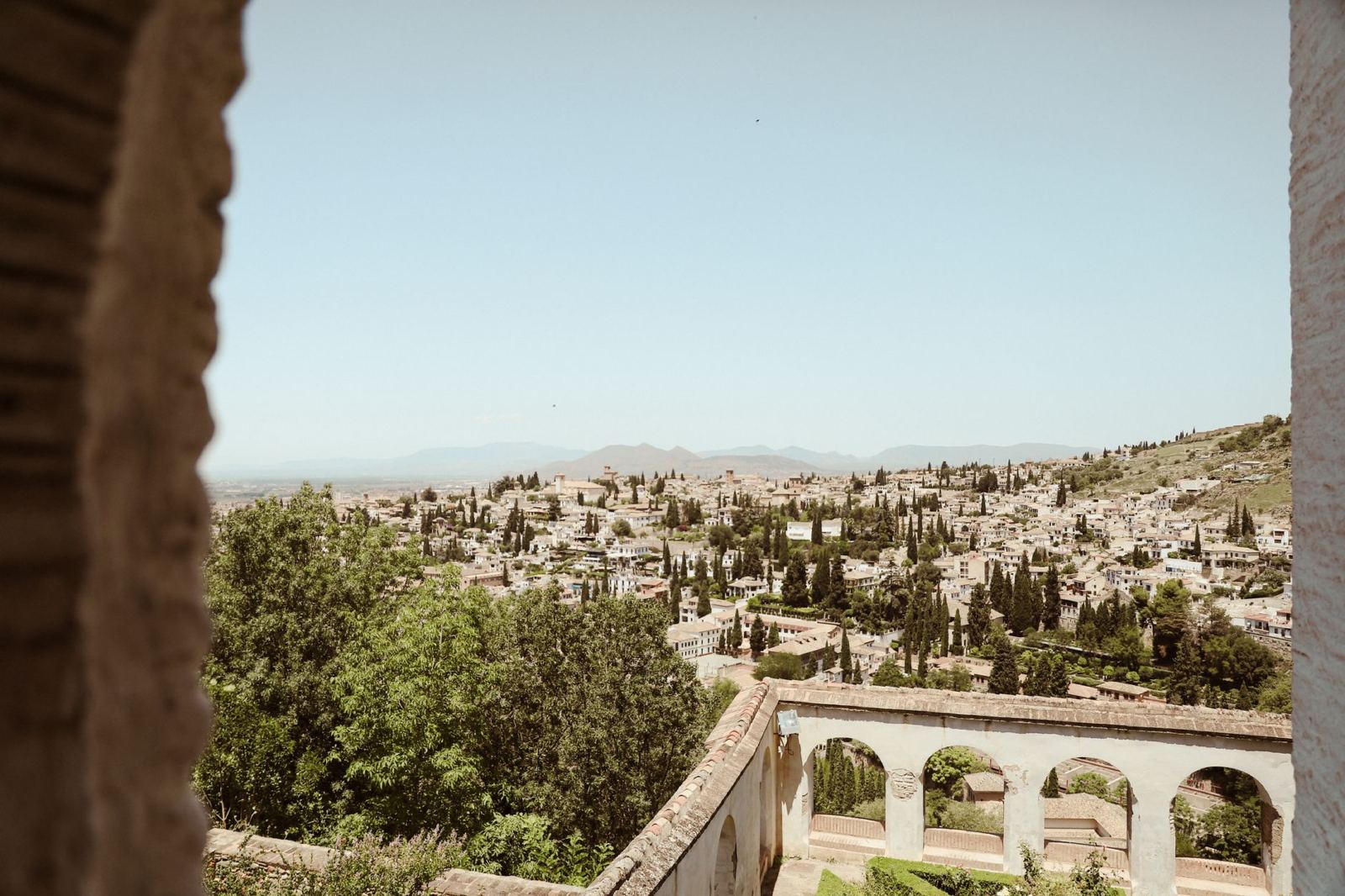
Florence was the stage for the most intense creative explosion in human history: within a few centuries, within a few streets, the Renaissance was invented. Today the city carries that era's works at open-air-museum density — the Duomo's dome still rules the skyline, the Uffizi's corridors still form the backbone of art history.
But it would be unfair to treat Florence as only a museum. Across the Arno in the Oltrarno, goldsmiths, bookbinders and carpenters still work their benches; at aperitivo hour the squares fill with locals. Art and craft, the past and daily life, still share the same workbench here.
When to Go
April–May and September–October are Florence's most generous seasons for both weather and light. Summer is hot and crowded; the stone city holds the heat at midday — save museums for noon and squares for evening. November–March is calm: the Uffizi queue shrinks, trattoria tables come easily, and the soft light of a Tuscan winter flatters every photograph.
What to See & Do
Book timed tickets for the Uffizi and the Accademia (David) weeks ahead — and don't cram both into one day. The climb up Brunelleschi's dome is 463 steps and reservation-only; for a calmer alternative, Giotto's bell tower offers a similar panorama.
Cross the Ponte Vecchio early in the morning, then dive into the Oltrarno: Santo Spirito square, the Pitti Palace and the Boboli Gardens are on this bank. Watching sunset from Piazzale Michelangelo is a cliché, but no other spot gives the full skyline like this; the church of San Miniato al Monte just above is both quieter and lovelier.
Santa Croce is a pantheon holding the tombs of Michelangelo and Galileo. The Bargello is oddly uncrowded for its sculpture collection — perfect as an escape. The Medici Chapels at San Lorenzo tell the dynasty's power in marble. With spare time, a half-day trip up to Fiesole sets Florence in its Tuscan context.
Food & Drink
Tuscan cooking is born of 'cucina povera' (poor kitchen) — and is delicious precisely for it: ribollita (bread-and-vegetable soup), pappa al pomodoro, and chicken-liver crostini. The bistecca alla fiorentina — a thick, rare T-bone — is the city's gastronomic monument; it's sold by weight and meant for sharing.
The Mercato Centrale's ground floor is a genuine market, its upper floor a quality food hall. Panino culture is taken seriously: sandwiches on schiacciata bread are the standard lunch. In wine, Chianti Classico and Brunello are the region's pride; explore by the glass rather than the bottle. Avoid gelato displays sculpted into artificial mountains; gelaterias storing it in lidded metal tins know their craft.
Practical Tips
The historic centre is compact and entirely walkable; choose a central hotel and you'll barely need public transport. The walk from the train station to the Duomo takes 10 minutes.
Museum reservations in Florence are a necessity, not a luxury — especially for the Uffizi, the Accademia and the dome. State museums are free on the first Sunday of the month, if you can face the crowds. Don't rent a car in the centre because of the ZTL (restricted traffic zone); pick one up on your way out for a Tuscany tour. Buying counterfeit goods from street sellers can mean fines for the buyer too. Entry to the Duomo itself is free, but the dome-baptistery-museum combo needs a ticket; don't change plans at the sight of the queue — timed entries skip it.