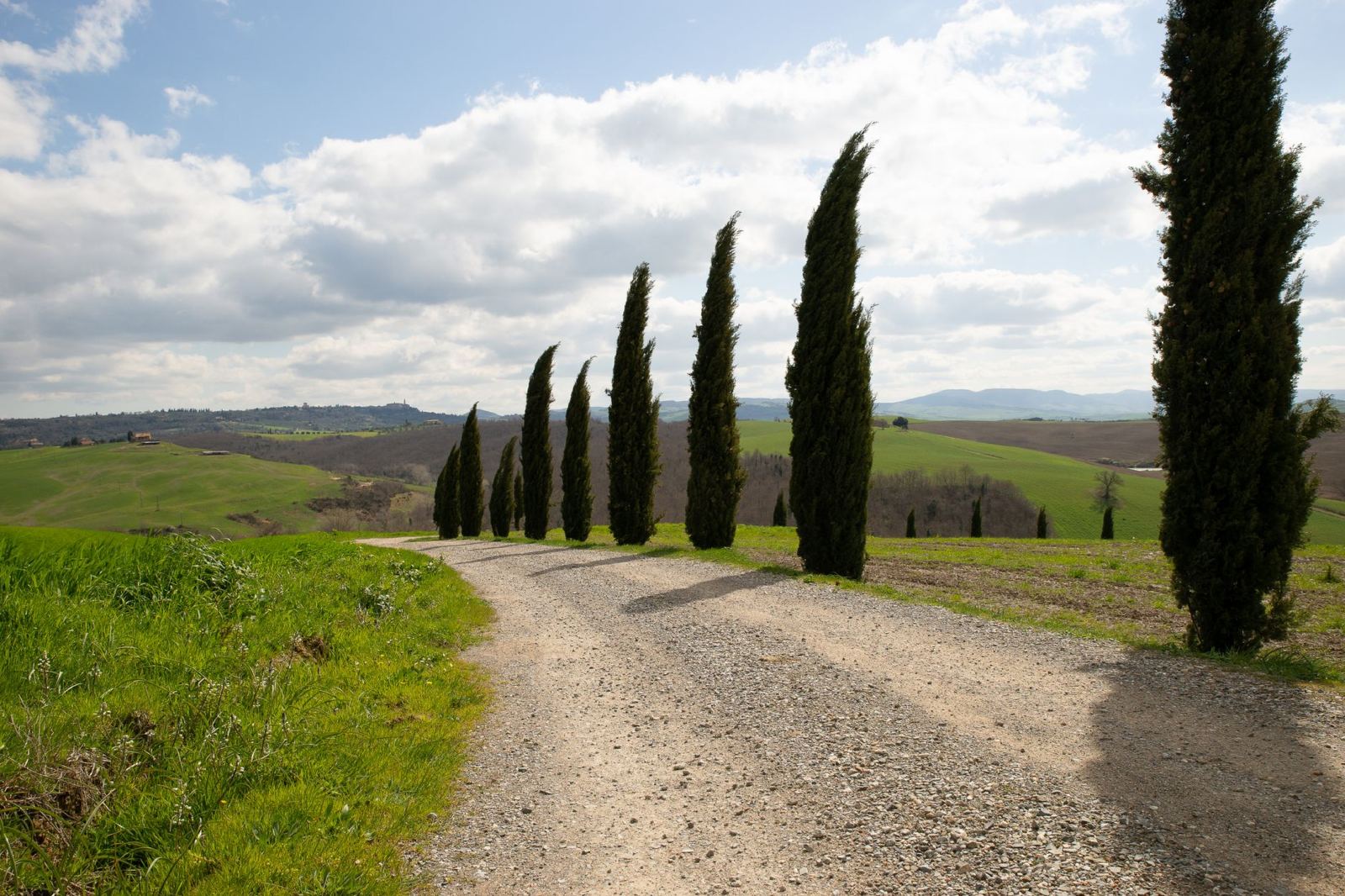
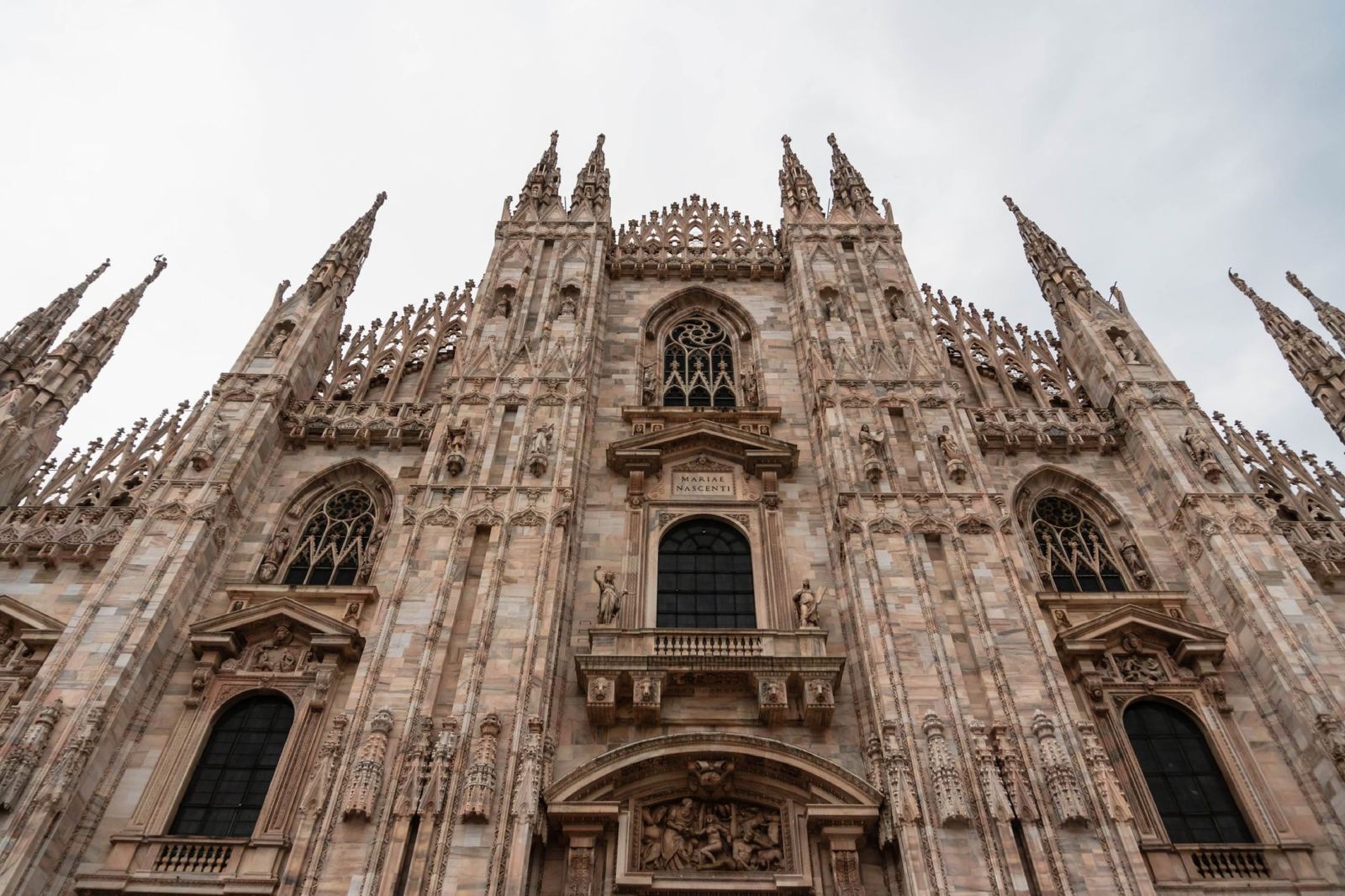
Croatia's coastline is one of Europe's most generous shore geographies: a thousand-odd islands, stone towns and a sea famous for its clarity. From Dubrovnik's walls to Split's Roman palace, every stop along the coast opens onto a different century — and the same turquoise stands behind them all.
The country is small but its route is long: Istria's Italian-tinged hills in the north, lakes and waterfalls in the middle, Dalmatia's island chain in the south. Car plus ferry is the trip's natural formula. The summer crowds are real — above all in Dubrovnik — but in the shoulder seasons the coast still lives at the rhythm of a small harbour town.
When to Go
May–June and September are the golden window: the sea swimmable, the towns walkable, the ferries on full schedule. July–August is the peak: Dubrovnik and Hvar overflow and prices climb — take refuge in smaller islands (Vis, Šolta) and early mornings. October still flatters Plitvice and Istria; autumn colour gives the waterfall parks extra depth. November–April is the coast's quiet season; much closes, though Zagreb's Christmas market earns its reputation.
What to See & Do
Dubrovnik's wall walk (2 km, at opening or two hours before closing) crowns the trip; the old town surrenders to cruise crowds at midday but belongs to locals in the morning and evening. Take the cable car up Srđ hill and see the city from above at sunset.
In Split, Diocletian's Palace is not a ruin but a neighbourhood where four thousand people live — get lost between the basement galleries and the peristyle square. Split is also the hub of the island ferries: Hvar (lavender and nightlife), Brač (the Zlatni Rat beach) and the more untouched Vis (base for Blue Cave tours) are all reached from here.
Plitvice Lakes is the masterpiece of the interior: sixteen terraced lakes and hundreds of waterfalls toured on wooden walkways — buy tickets ahead and aim for first entry. In the lesser-known Krka park the waterfalls are similar and the crowds thinner. In the north, Istria offers another world: Rovinj's Italianate skyline, the hilltop town of Motovun and the truffle valleys. Zadar's sea organ and Greeting to the Sun make the coastal route's poetic pause.
Food & Drink
Dalmatian cooking carries the Mediterranean's simplicity: grilled fish, olive oil, blitva (chard and potato) and buckwheat. Peka — meat or octopus ember-baked under an iron bell — is the coast's signature technique; most konobas (taverns) want the order a few hours ahead, so plan.
Istria is truffle country: white truffle shaved over fresh pasta, at prices below Italy's. Pag island's sheep cheese (paški sir) and Ston's oysters are protected-origin prides. On the coast, crni rižot (squid-ink risotto) is the classic. In wine, Plavac Mali reds and Pošip whites are local identity; rakija (fruit brandy) is the opening and closing offering of every meal. Inland, štrukli (cheese-filled dough) is Zagreb's comfort dish.
Practical Tips
A rental car is the key to the coastal route; the shore road (Jadranska Magistrala) is scenic but winding — budget by hours, not map distance. On island ferries (Jadrolinija), summer vehicle crossings mean hours of queueing — walking on and renting a scooter or car on the island is often more practical.
Croatia uses the euro and sits inside Schengen. In Dubrovnik, check the cruise calendar (two or three ships at once means planning the old town for early morning or evening that day). The beach truth: the coast is mostly pebble and rock — swim shoes double the comfort; mind the sea urchins. Swimming is banned at Plitvice and allowed in set parts of Krka (check the current rule). The 'sobe' (guesthouse room) culture is widespread and economical. The nightly tourist tax is charged separately — don't mistake it for a scam.