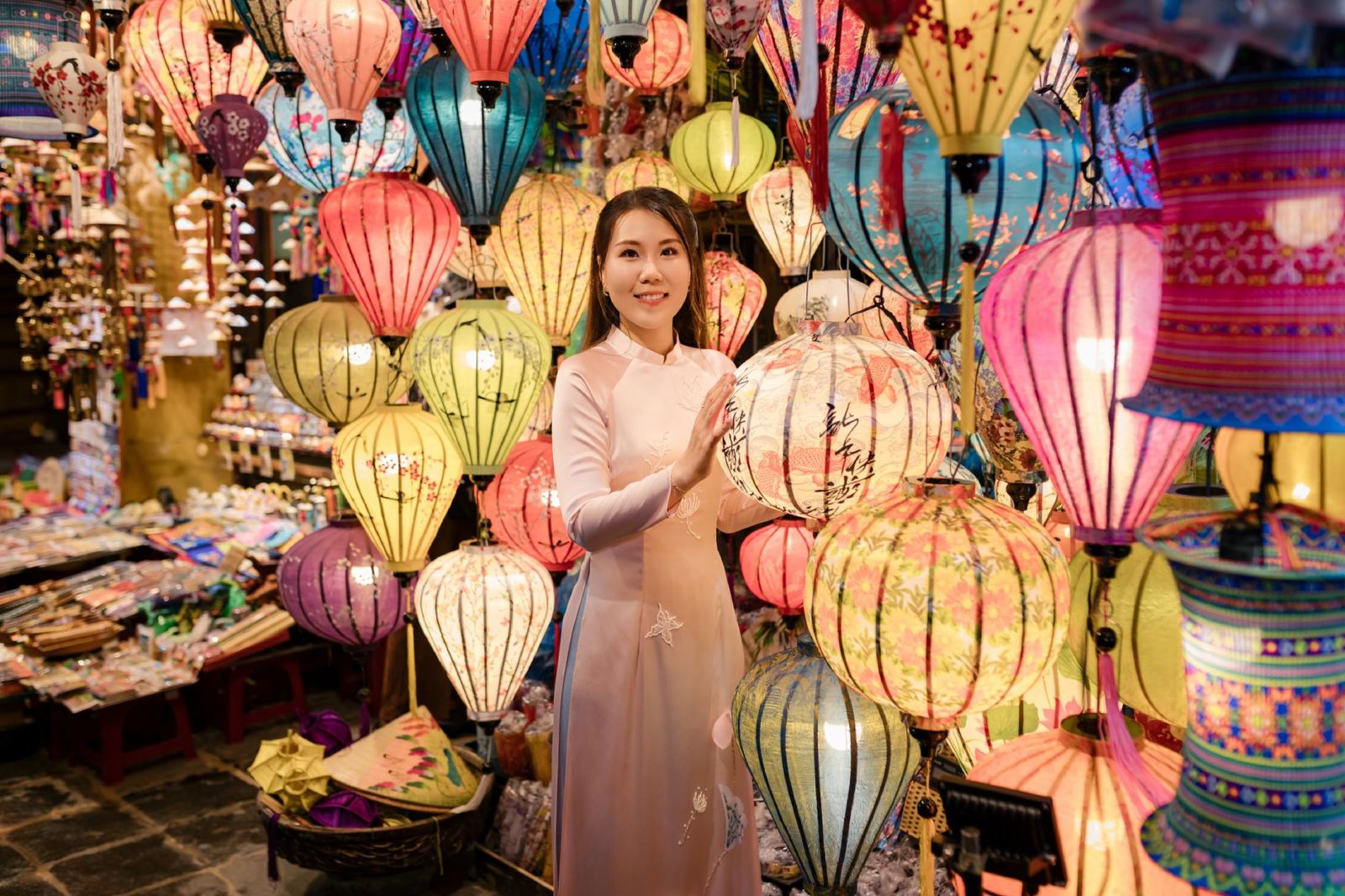
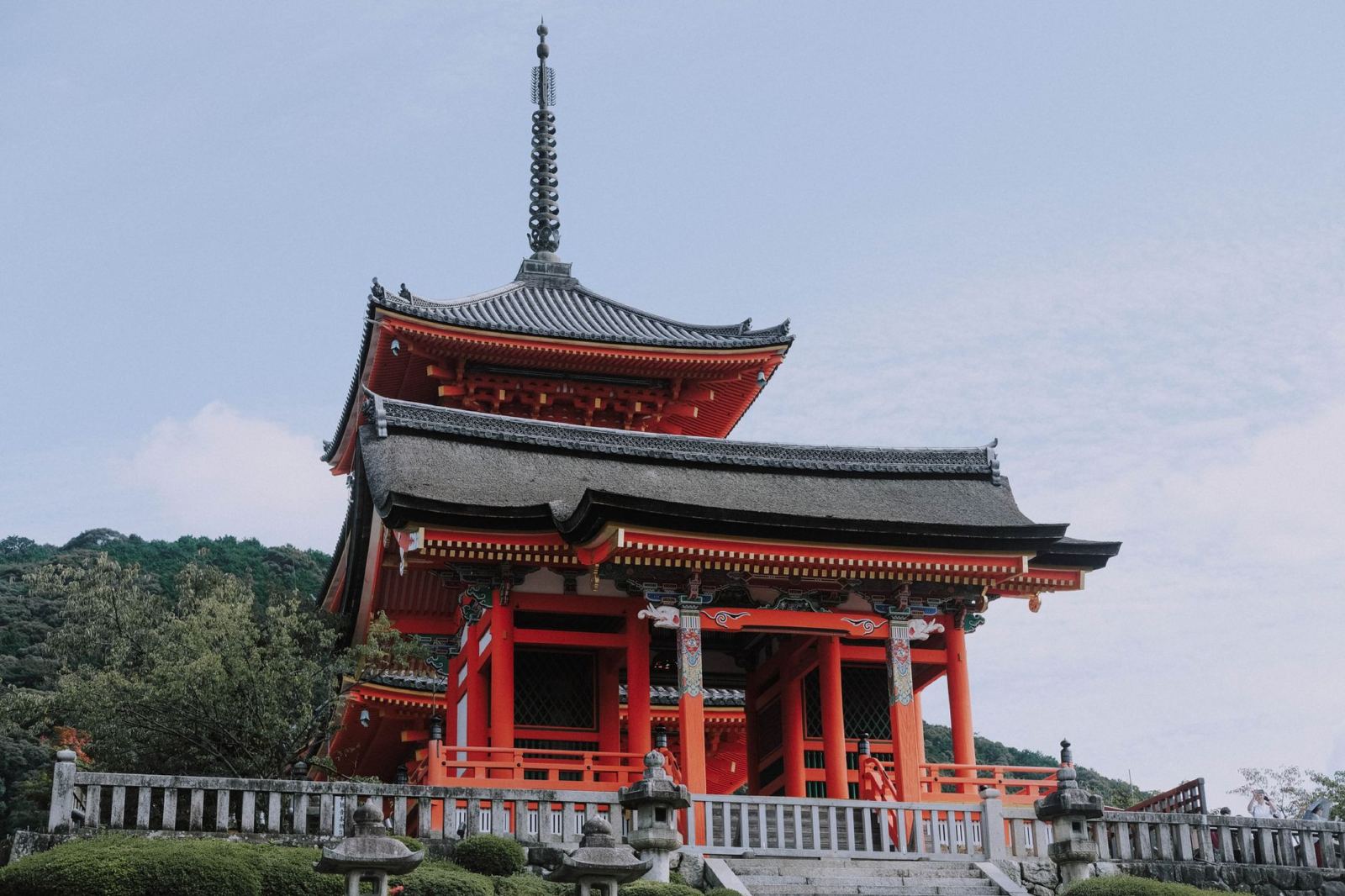
Singapore is proof of what a city-state can achieve: in two generations it went from fishing port to one of the world's wealthiest metropolises. The real surprise is that it never lost its identity along the way — Chinese, Malay, Indian and Peranakan cultures still live in their own districts, with their own temples and, most importantly, their own kitchens.
Its 'sterile' reputation is unfair. Yes, the streets are spotless and the rules plentiful; but the moment you sit on a plastic stool in a hawker centre and eat the meal of your life for five dollars, you understand where Singapore's soul lives.
When to Go
Singapore sits on the equator: 26–32°C year-round, high humidity and short tropical downpours possible at any moment. There is no 'best season' — though February–April is relatively dry. November–January brings the monsoon and more frequent rain. June–July draws shoppers with the Great Singapore Sale, September brings motorsport fans for the Formula 1 night race — hotel prices soar that week.
What to See & Do
See the Supertrees of Gardens by the Bay twice: by day with the conservatories (the indoor waterfall of Cloud Forest is remarkable), and in the evening for the free light-and-music show. Instead of the Marina Bay Sands observation deck, go up to the Ce La Vi bar — a similar view for the price of a drink rather than a ticket.
The neighbourhood circuit is the city's essence: the Buddha Tooth Relic Temple and Maxwell hawker centre in Chinatown; Sri Veeramakaliamman Temple and Tekka market in Little India; the Sultan Mosque and Haji Lane boutiques in Kampong Glam. Each deserves half a day.
The Botanic Gardens (UNESCO-listed) are ideal for a morning walk; the orchid garden more than earns its small entry fee. Sentosa island is for beaches and theme parks — set expectations to 'family fun' rather than 'tropical paradise'. The real surprise for nature-seekers is the treetop walk at MacRitchie Reservoir and the cycling trails of Pulau Ubin: rainforest twenty minutes from the skyscrapers.
Food & Drink
Hawker centres are Singapore's national treasure — UNESCO agrees. Chicken rice, laksa, char kway teow, chilli crab and roti prata: each a few dollars, each at Michelin quality. Maxwell, Lau Pa Sat, Old Airport Road and Tiong Bahru are reliable starting points.
The longer the queue, the better the stall — Singaporeans are never wrong about queues. A packet of tissues on a table means the seat is taken (the 'chope' tradition). At a kopitiam, kaya toast with soft-boiled eggs and kopi is the traditional breakfast. If cocktails fit your budget, the bar scene is Asia's best; if not, a Tiger beer at a hawker centre delivers the same joy.
Practical Tips
The MRT is beyond world-class; contactless bank cards tap straight in. Changi Airport is a destination in itself — arrive early on departure for the indoor waterfall at Jewel.
The rules are real: eating on the MRT, littering and importing chewing gum carry fines — but in daily life they amount to nothing more than common sense. Tap water is drinkable. Air-conditioning is aggressive everywhere; carry a light layer. The price shock comes with alcohol: one cocktail equals three hawker meals. Use Grab rather than taxis. The city is safe — night walks included; the real danger is overplanning in the humidity: two major activities a day with generous air-conditioned breaks is the ideal pace.