More than half of Toronto's population was born outside Canada — and that statistic describes exactly what exploring the city feels like: one metro stop takes you from Portuguese bakeries to Indian spice shops, from Chinatown to Greek tavernas. Here 'authentic world cuisine' is not a tourist slogan but a neighbourhood fact.
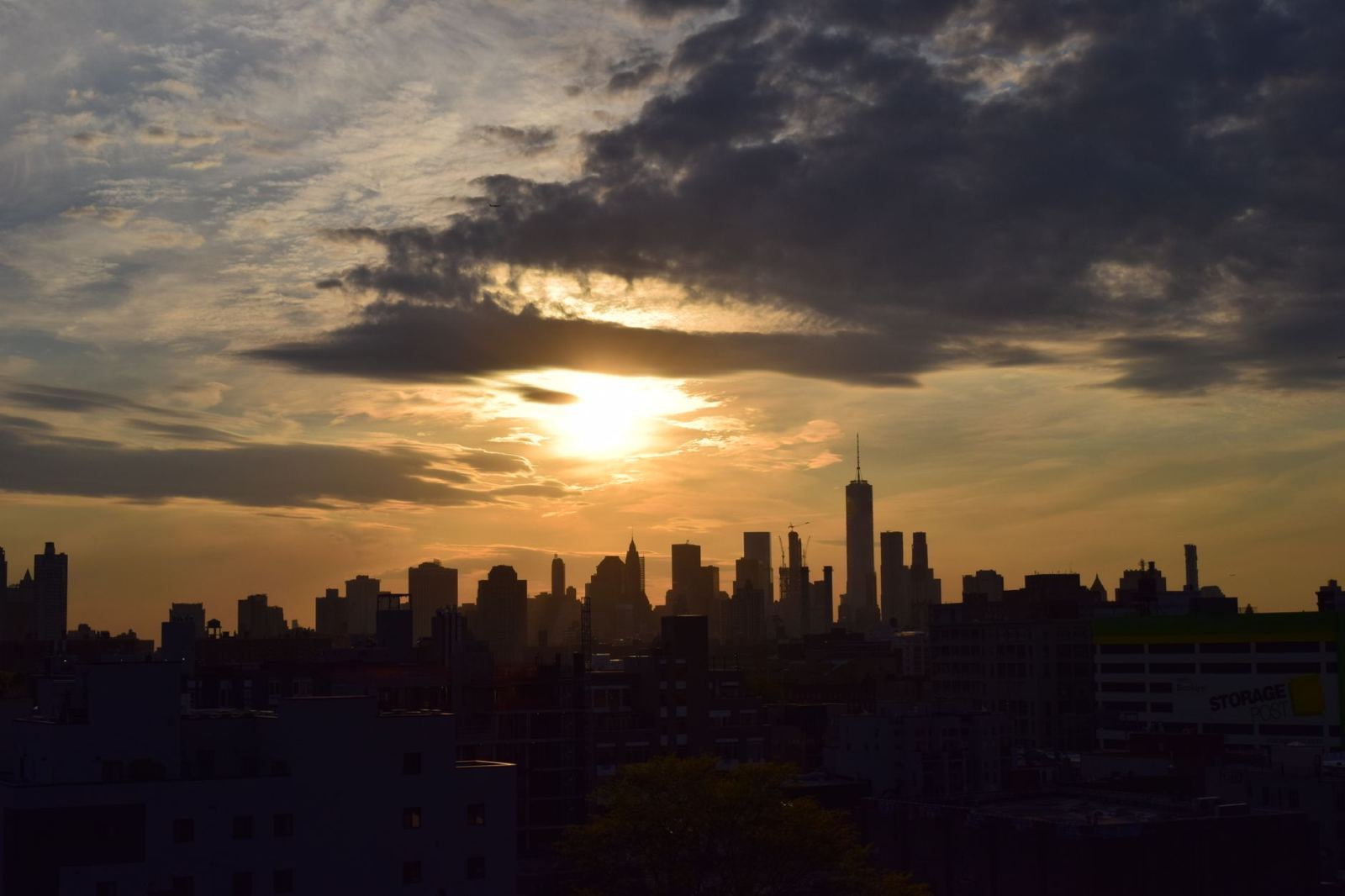
The city sits on the shore of Lake Ontario — that sea-like freshwater horizon, with its beaches and islands, is Toronto's most underrated card. The CN Tower defines the skyline, but the city's soul lives at street level: markets, a packed festival calendar and a cultural life that doesn't stop even in winter.
When to Go
June–September is prime: lakefront and patio season, festival density (Pride in June, the TIFF film festival in September). May and October are sweet shoulder seasons. Winter is long and harsh (-10°C is normal), but the city is built for it with the underground PATH network and its indoor culture. For autumn colour, October pairs well with nature escapes nearby.
What to See & Do
Instead of going up the CN Tower, take the view from the Toronto Islands: a 15-minute ferry delivers the city's best skyline frame, beaches and car-free island lanes — rent a bike and give it half a day. If the tower insists, choose the sunset slot.
St. Lawrence Market is the Saturday morning classic (the peameal bacon sandwich is the house signature). Kensington Market's vintage shops and murals merge into Chinatown next door. The Victorian industrial buildings of the Distillery District, with their gallery-café-studio trio, are the late-afternoon walk.
The Royal Ontario Museum (ROM) and the Art Gallery of Ontario (AGO, with its Frank Gehry renovation) fill the culture chapter. Graffiti Alley runs a kilometre of open-air gallery parallel to Queen West. High Park imitates Japan each spring with its cherry blossoms. And the honest advice: Niagara Falls is 90 minutes away — day-trip it, but brace for the funfair mood of the falls town; pairing it with the wine village of Niagara-on-the-Lake saves the day.
Food & Drink
In Toronto, the answer to 'what should I eat' is the counter-question 'which country would you like': Sri Lankan in Scarborough, Indian on Gerrard Street, Persian in North York, Korean in Koreatown — each serving its own community, not tourists. That is the guarantee of quality.
Local classics exist too: the peameal bacon sandwich, the butter tart and the controversial Hawaiian pizza (yes, invented here). Poutine may belong to Quebec but it's everywhere. The craft beer scene is strong; Ontario's Riesling and ice wine fill the wine chapter. Brunch culture is practised with seriousness; weekend queues are real. The food markets (St. Lawrence, Kensington) and summer festivals are the fastest way to sample many kitchens in one place.
Practical Tips
A PRESTO card or contactless bank card covers metro, streetcars and buses; one fare includes transfers. The UP Express train reaches the centre from the airport in 25 minutes.
The city is grid-planned and safe; in winter the 30 km underground PATH network lets you roam the core coatless. Tipping 15–20% is standard and tax is added at the till — the price on the tag is not the price you pay. Alcohol is sold only at the LCBO and licensed retailers. Renting a car for Niagara buys flexibility, but the tour buses work too. Don't underestimate distances between neighbourhoods; Toronto is horizontally enormous.