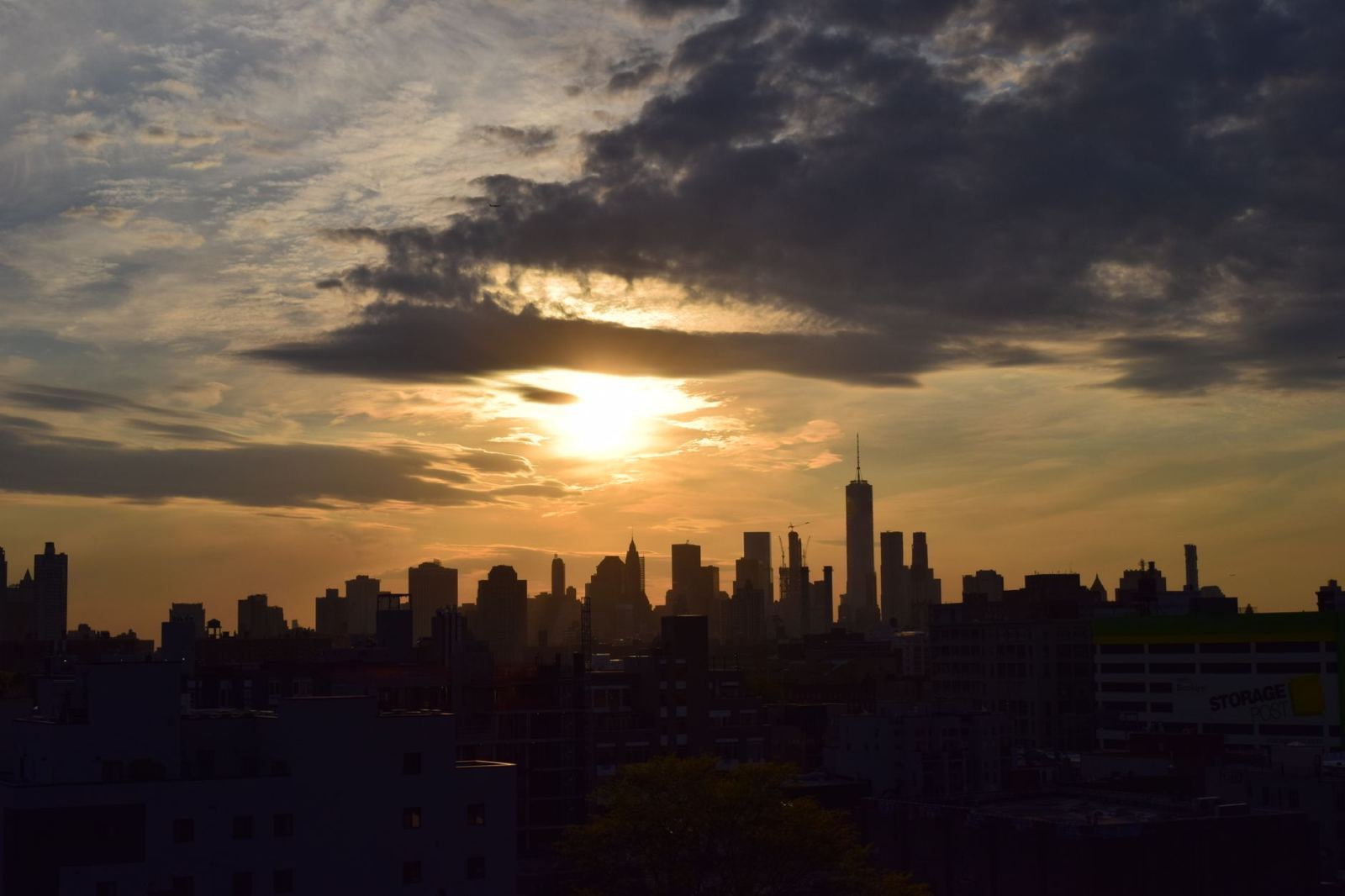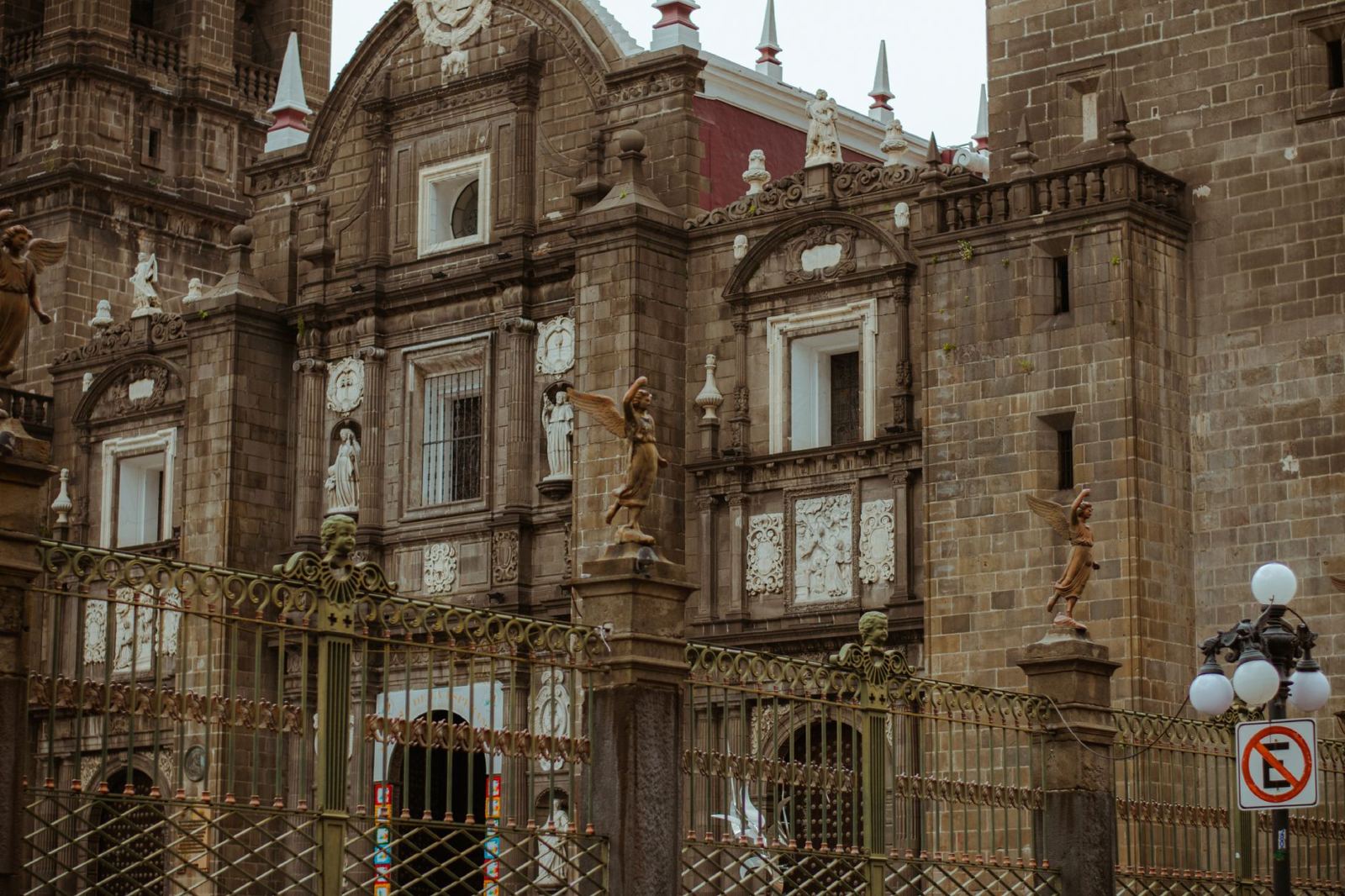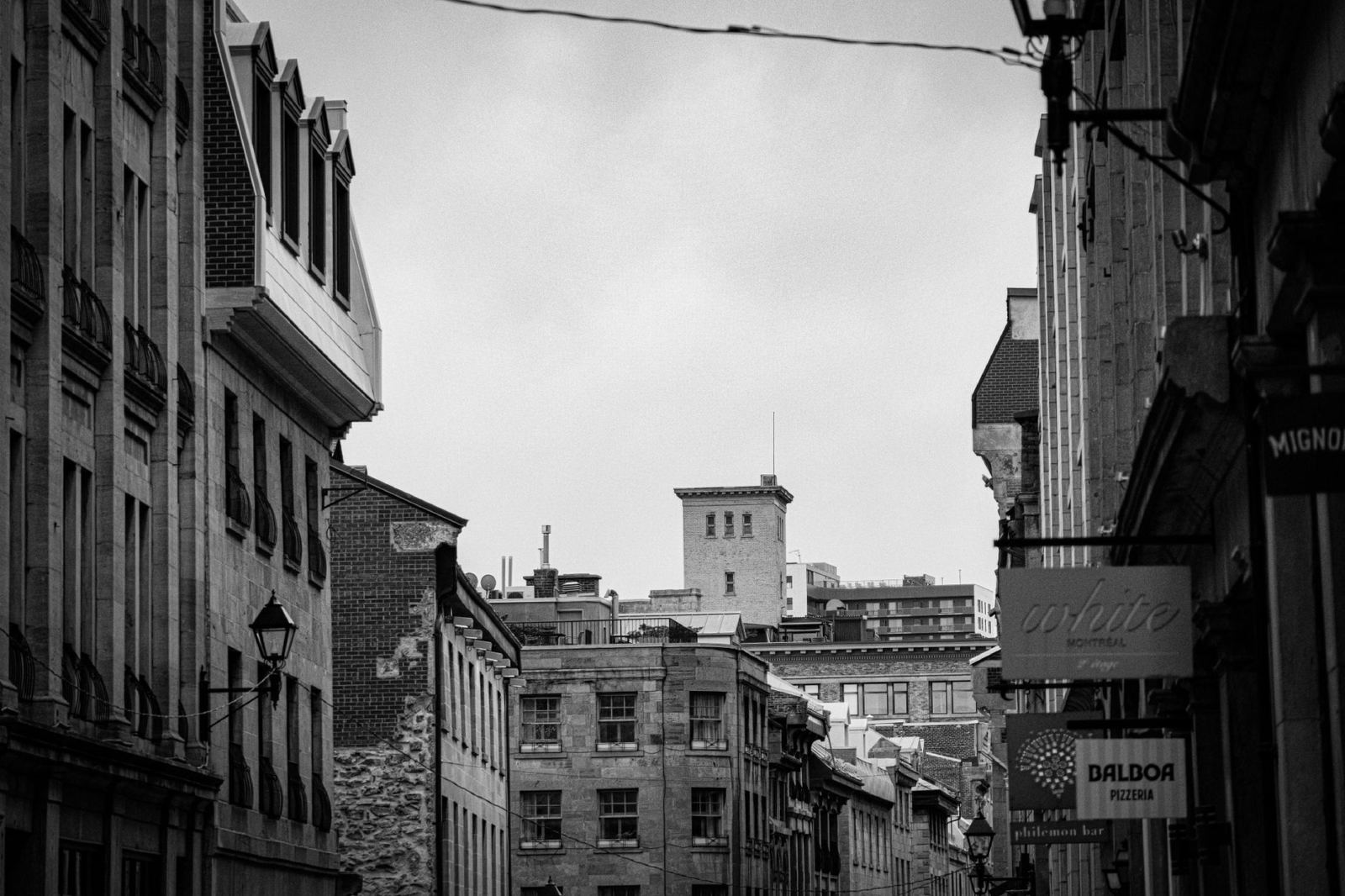
Montreal has built its own third way between two worlds: North America's scale and energy joined to France's language, kitchen and café ease. On the cobblestones of Vieux-Montréal you feel yourself in Europe; two streets over, you stand beneath glass towers.
The city sits on an island, and the hill at its centre — Mont Royal — gives it both its name and its character: slopes ringing with tam-tams on Sundays, toboggan runs in winter, walking trails in every season. What truly defines Montreal, though, is its joy: one of the world's densest festival calendars reads like a collective delight in life, engineered against the harshness of winter.
When to Go
June–September is festival season: the jazz festival (the world's largest), comedy, fireworks competitions — the city becomes a continuous stage and terrasse life peaks. September–October is beautiful in its own right with the maple colours. Winter is harsh and long (-15°C is normal), but the city knows how to live with it: the underground city (RÉSO), open-air winter festivals like Igloofest, and skiing close by. In March–April, sugar shack (cabane à sucre) season is a local ritual.
What to See & Do
In Vieux-Montréal, the blue-and-gold interior of Notre-Dame Basilica is among North America's most striking churches; the evening 'Aura' light show is an experience of its own. The walk along the Old Port ends at the clock tower beach.
Climb Mont Royal by the Peel steps; the Kondiaronk lookout is the classic frame of the skyline. The Sunday Tam-Tams gathering on the slopes is the city at its freest. The Plateau and Mile End — colourful houses with outdoor staircases, cafés, bagel bakeries — are where Montreal's soul lives; drift along Boulevard Saint-Laurent.
Jean-Talon market (one of North America's largest open-air markets) merges into Little Italy. The Botanical Garden and the Olympic Stadium tower beside it make the east end's pair. The Museum of Fine Arts is generous with free collection floors. In winter: roam the underground city, skate at the Old Port. In summer: cycle the Lachine Canal with a stop at Atwater market — one of the city's best day routes.
Food & Drink
Montreal's holy trinity is clear: the bagel (wood-fired, in eternal rivalry with Toronto — buy them hot at St-Viateur or Fairmount), smoked meat (on rye with mustard) and poutine (the fries-gravy-cheese curd trio; the midnight version is canonical).
Quebec cooking runs richer still: tourtière (meat pie), maple syrup on everything, and sugar shack feasts. The city's gastronomy scene is Canada's most ambitious; 'apportez votre vin' (bring your own wine) restaurants are a budget-friendly local institution. Coffee culture is strong on the legacy of Italian migration. Jean-Talon and Atwater markets are the addresses for seasonal produce and picnic provisioning.
Practical Tips
The OPUS card covers metro and buses; the metro stations have architecture all their own. The 747 express bus runs from the airport around the clock. The city is bike-friendly; the BIXI share network is everywhere.
The language question is easy in practice: open with a French 'Bonjour' and the switch to English is seamless — the small gesture opens doors. If you visit in winter, bring real winter gear; at -20°C insulation beats fashion. Tipping 15% is standard and taxes sit outside the price tag. Most festivals include free outdoor shows — check the calendar in advance. Quebec City is three hours by train or bus; if you can add two days, it's richly worth it.