Hoi An was the crossroads of Asian trade in the 16th–18th centuries; Japanese merchants left their bridge, Chinese guilds their temples, the Vietnamese their shop-houses. When the harbour silted up, trade moved to Da Nang — and that 'misfortune' froze the town intact, creating today's UNESCO heritage.
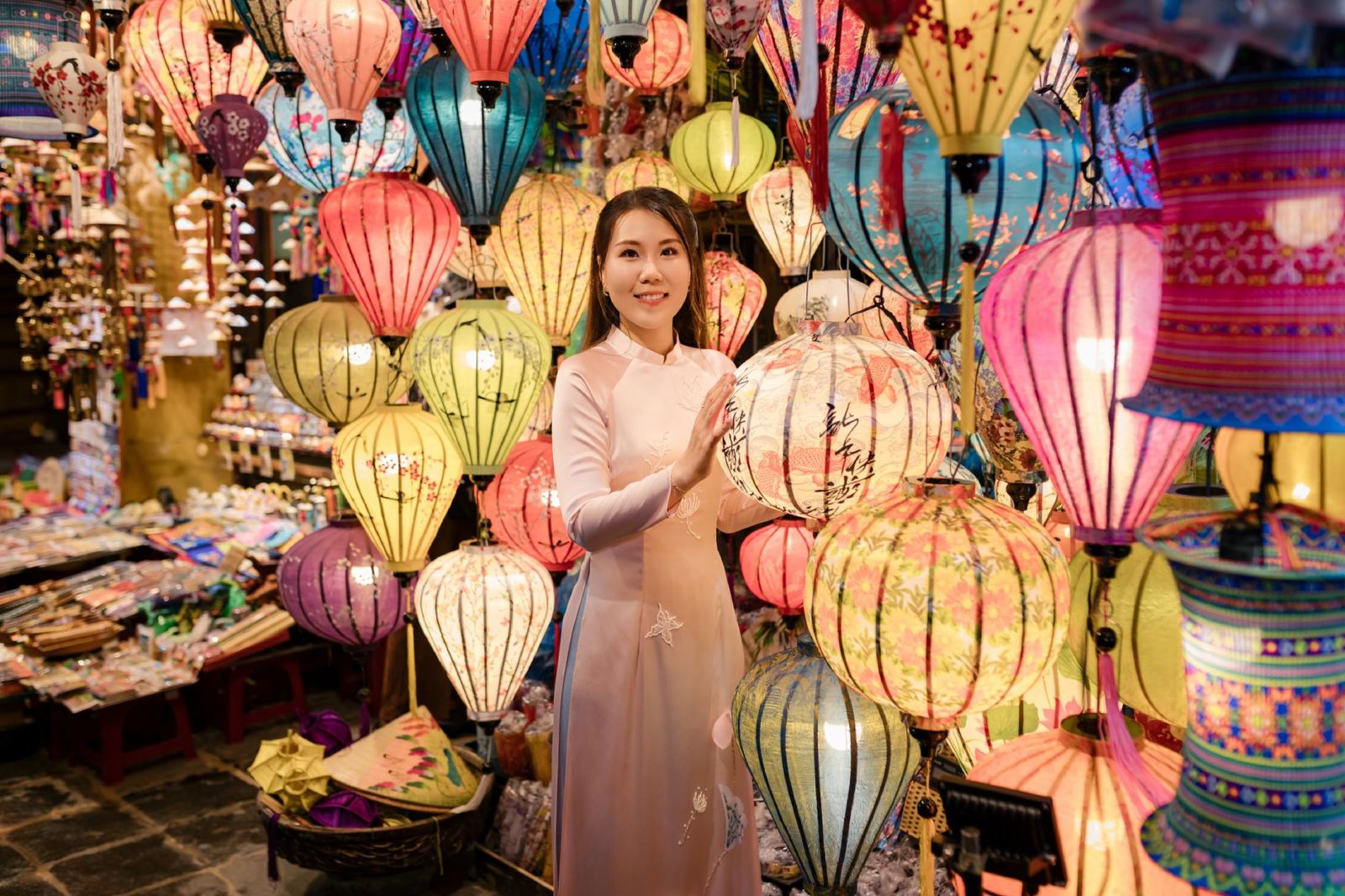
The old town's mustard-yellow façades turn into another stage when the lanterns light at dusk. Yes, it is touristy — on full-moon festival nights the river locks up with boat traffic — but the misty streets at 6 a.m. and the surrounding rice paddies stay open to those who seek the town's true face. Hoi An is the 'deep breath' stop on any Vietnam route.
When to Go
February–April is the most balanced: dry, 24–30°C, the sea swimmable. May–August is hot but sunny — peak beach season. September–January is the rainy season; in October–November the old town can flood (a boat ride down the streets becomes a strange alternative experience). The 14th night of each lunar month is the lantern festival: electric lights dim and the river fills with wishing lanterns — worth seeing despite the crowds.
What to See & Do
The old town ticket admits you to five historic buildings: the Japanese Bridge, the Tan Ky house, the Fujian temple (Phuc Kien) and the guild halls are the classic picks. Between 6 and 8 a.m. the streets belong to locals — photographs and calm live in those hours; at lantern time, surrender to the crowd and set a wishing lantern on the river (choose the paper kind, for the environment's sake).
A bicycle unlocks Hoi An's true scale: the Tra Que vegetable village, the round basket boats in Cam Thanh's coconut forest and the rice paddy lanes make the classic half-day loop. An Bang beach lies 4 km away — sunloungers, seafood shacks and sunset are more than enough.
The tailoring chapter is a serious local economy: a made-to-measure suit, dress or jacket in 24–48 hours — discuss fabric and stitching, insist on at least one fitting; the busy, long-established shops are the safe ones. The night market is the address for lantern shopping. Day trips: the My Son temple ruins (the Champa civilisation — go early) or the Hai Van pass and Marble Mountains via Da Nang.
Food & Drink
Hoi An has dishes of its own found nowhere else: cao lau (thick noodles said to require water from a particular well, with crispy pork and greens), white rose (shrimp dumplings of rice dough) and the nationally famous local take on banh mi. Com ga (Hoi An chicken rice) completes the list.
The food floor of the central market is the most practical way to try them all in one sitting. Cooking classes are especially good here — choose the ones that include market shopping and a river crossing by boat. Riverside restaurants sell the view, the back lanes sell the flavour — split them across separate evenings. In coffee, coconut cold coffee and southern takes on egg coffee are everywhere.
Practical Tips
The old town ticket (5 entries) stays valid several days and funds restoration — buy it; checks are real. The town is walkable and bicycles come free with most stays; a motorbike is only needed for the surrounding loops.
Don't leave your tailoring order to the last day — allow at least one full day for the fitting. Hoi An is 45 minutes from Da Nang airport; Grab or a hotel transfer is standard. In the rainy season a waterproof bag and sandals save the day. Bargaining is normal at the night market; if buying lanterns, the collapsible ones are suitcase-friendly. Book full-moon night accommodation early. Staying on the beach side and cycling into the old town is the known formula of crowd-avoiders.