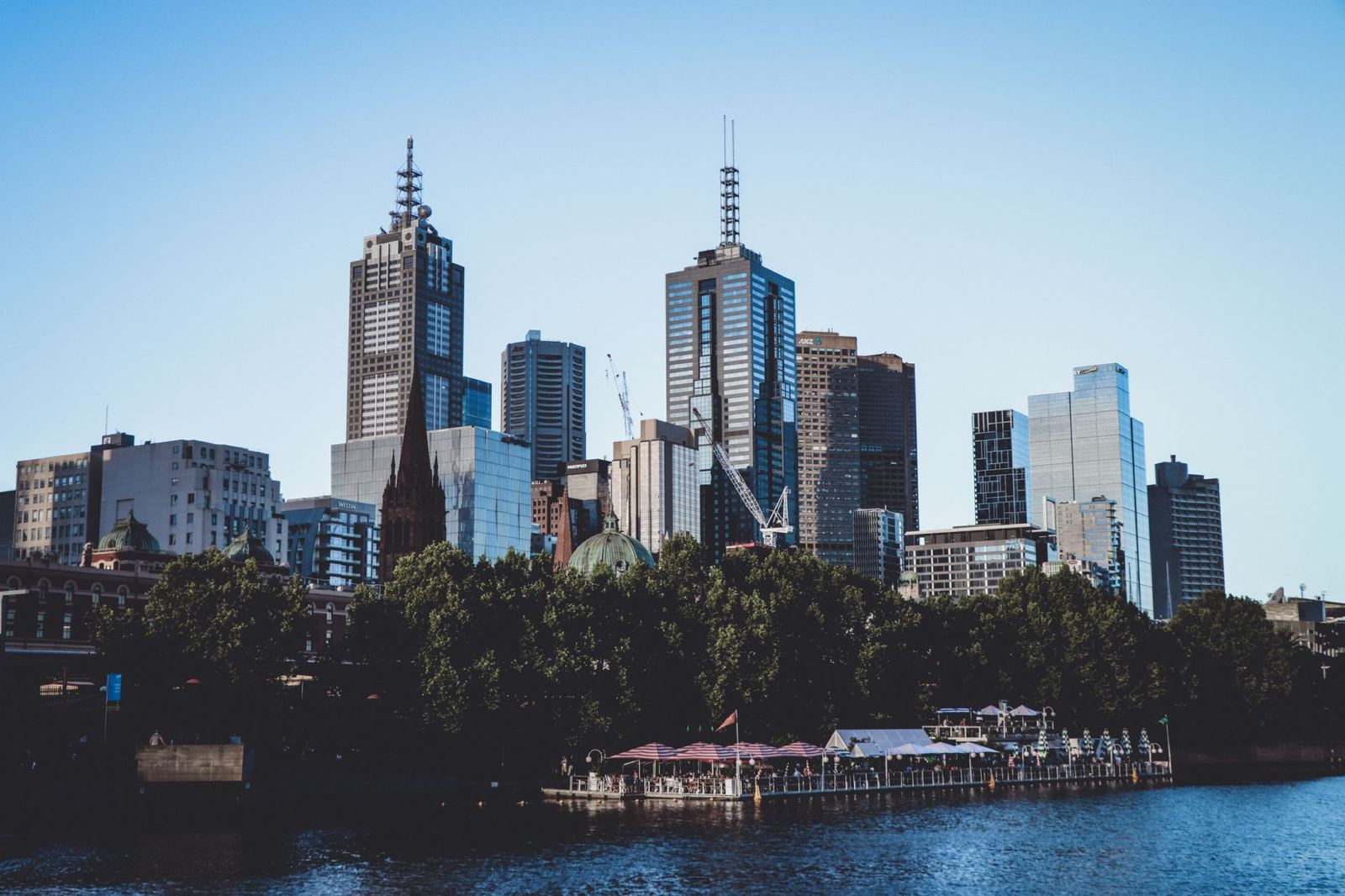
Melbourne answers Sydney's harbour grandeur with laneways: the city's best cafés, bars and galleries are found not on the main streets but in narrow passages. The walls of Hosier Lane form an open-air gallery that changes weekly; the unmarked bar behind a plain door may be mixing the city's best cocktail.
This is also Australia's capital of culture and sport: giant stadiums, a packed festival calendar, and weather that delivers 'four seasons in one day'. Melbourne doesn't show itself — it lets you discover it, which is exactly why it's loved more on the second visit.
When to Go
March–May (autumn) is the most balanced: settled weather, park colour, festival season. Summer (December–February) is hot but volatile — 40°C one day, 20°C the next. In January the Australian Open floods the city with tennis. Winter (June–August) is cool and grey, but no obstacle in a café-gallery-museum city; the AFL football season warms the atmosphere.
What to See & Do
Start with laneway hunting: Hosier Lane (street art), Degraves Street (the coffee classic), Centre Place and Presgrave Place. Don't draw a route; branch off the Flinders Lane spine turn by turn. Around Federation Square, ACMI (the museum of screen culture) and the Ian Potter Centre (Australian art) are two strong free stops; NGV International across the river is the continent's largest art museum.
A breakfast-to-lunch tour of Queen Victoria Market (the bratwurst stall and jam doughnuts are classics), Italian heritage in Carlton, vintage and youth culture in Fitzroy: every neighbourhood carries its own character. The historic City Circle tram (route 35) rings the centre for free.
At sunset, little penguins appear at the St Kilda pier — a surprise most visitors never learn about. Watching cricket or AFL at the MCG is the fastest way into the city's soul. The classic day trip: the Great Ocean Road and the Twelve Apostles — a long day but Australia's finest coastal scenery; alternatively the Yarra Valley vineyards or the Phillip Island penguin parade.
Food & Drink
Melbourne coffee sets the world standard: the magic (double ristretto with a little milk) was invented here, and discussing the beans with your barista is normal. Brunch is a way of life; the queues outside cafés prove it.
Waves of migration have layered the food scene: Italian on Lygon Street, Vietnamese on Victoria Street (the pho capital), Chinese in Box Hill. As one of the world's biggest centres of the Greek diaspora, souvlaki is serious business. In the evening the rooftop bars and the unsigned 'hidden bar' culture take over; the cocktail scene is the country's best. The natural wine movement and Yarra Valley Pinot Noir fill the wine chapter. For dessert, the lamington and the pavlova (still disputed with New Zealand) remain the classics.
Practical Tips
A Myki card or contactless card covers trams, trains and buses; within the central Free Tram Zone, trams cost nothing — and most sights fall inside it. There's no train to the airport; SkyBus is the standard solution.
Dress in layers and carry a windproof jacket rather than an umbrella — 'four seasons in one day' is no joke. Cafés often close around 3–4 p.m.; plan your coffee mornings. The BYO (bring your own wine) system is widespread in restaurants and kind to budgets. Photography is free in the street art lanes, but ask before shooting a working artist. If you drive the Great Ocean Road yourself, take extra care with left-hand traffic — combined with fatigue, it's the classic tourist accident.