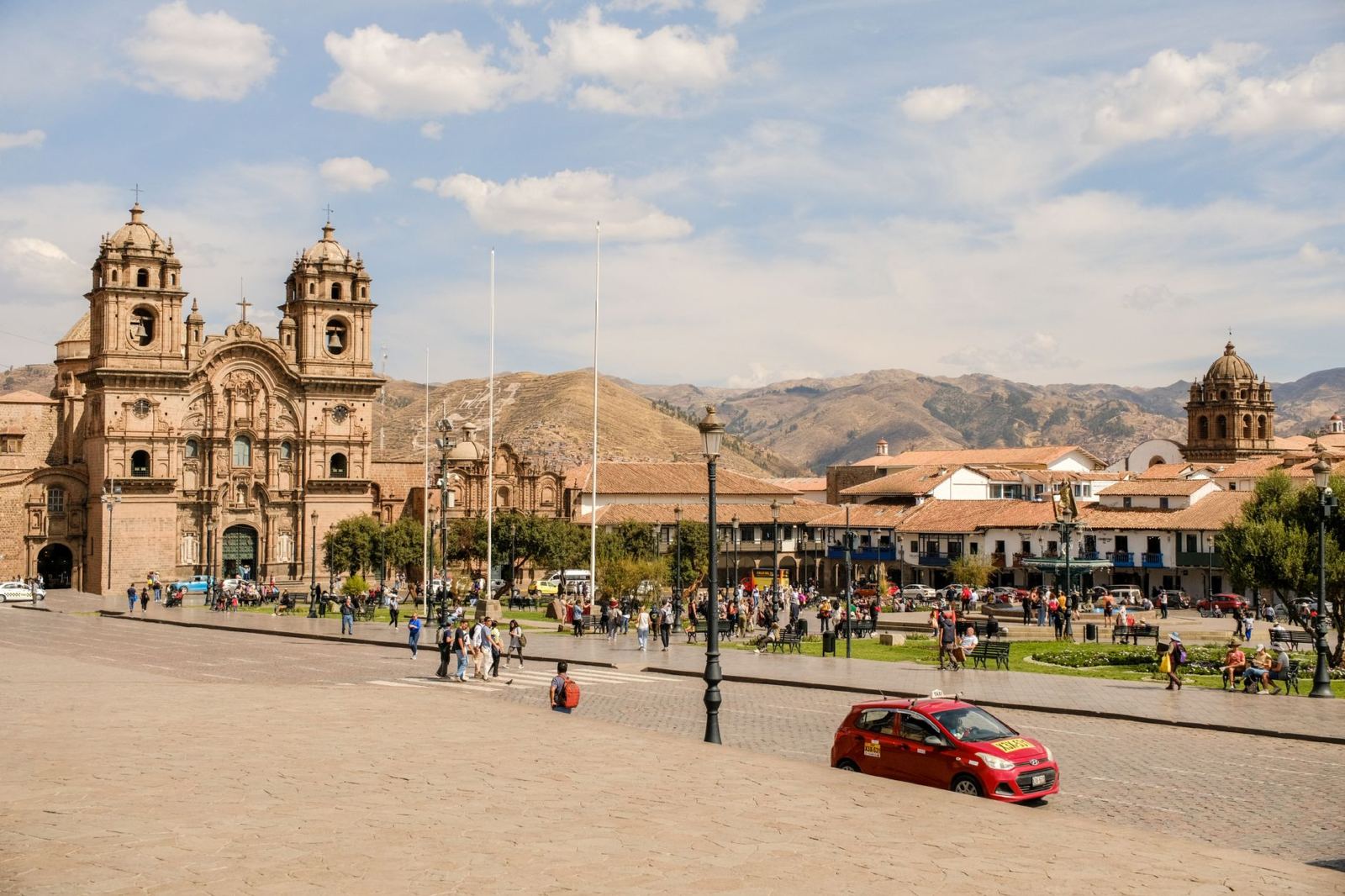
Jordan is geography compressed in the traveller's favour: within a week you walk Roman ruins, get lost in an ancient city carved from rock, sleep in a Bedouin tent in a Mars-like desert and read a newspaper while floating at the lowest point on earth. Distances are short, roads good, itineraries rich.
Yet what most visitors truly remember isn't the scenery but the people: 'Ahlan wa sahlan' (welcome) is not a tourism slogan here but a reflex. Offered tea, conversations sparked by asking directions and Bedouin hospitality make Jordan the gentlest gateway into the Middle East.
When to Go
March–May and September–November are ideal: Petra and Wadi Rum are walkable at 20–28°C by day, and desert nights are cool but comfortable. Summer is punishing at Petra (there is no shade) and furnace-like at Aqaba and the Dead Sea. Winter surprises: snow can fall on Amman and Petra, and Wadi Rum nights freeze — but a crowd-free photo of the Treasury is this season's reward. Ramadan shifts the rhythm; tourist facilities operate, but local eateries may close by day.
What to See & Do
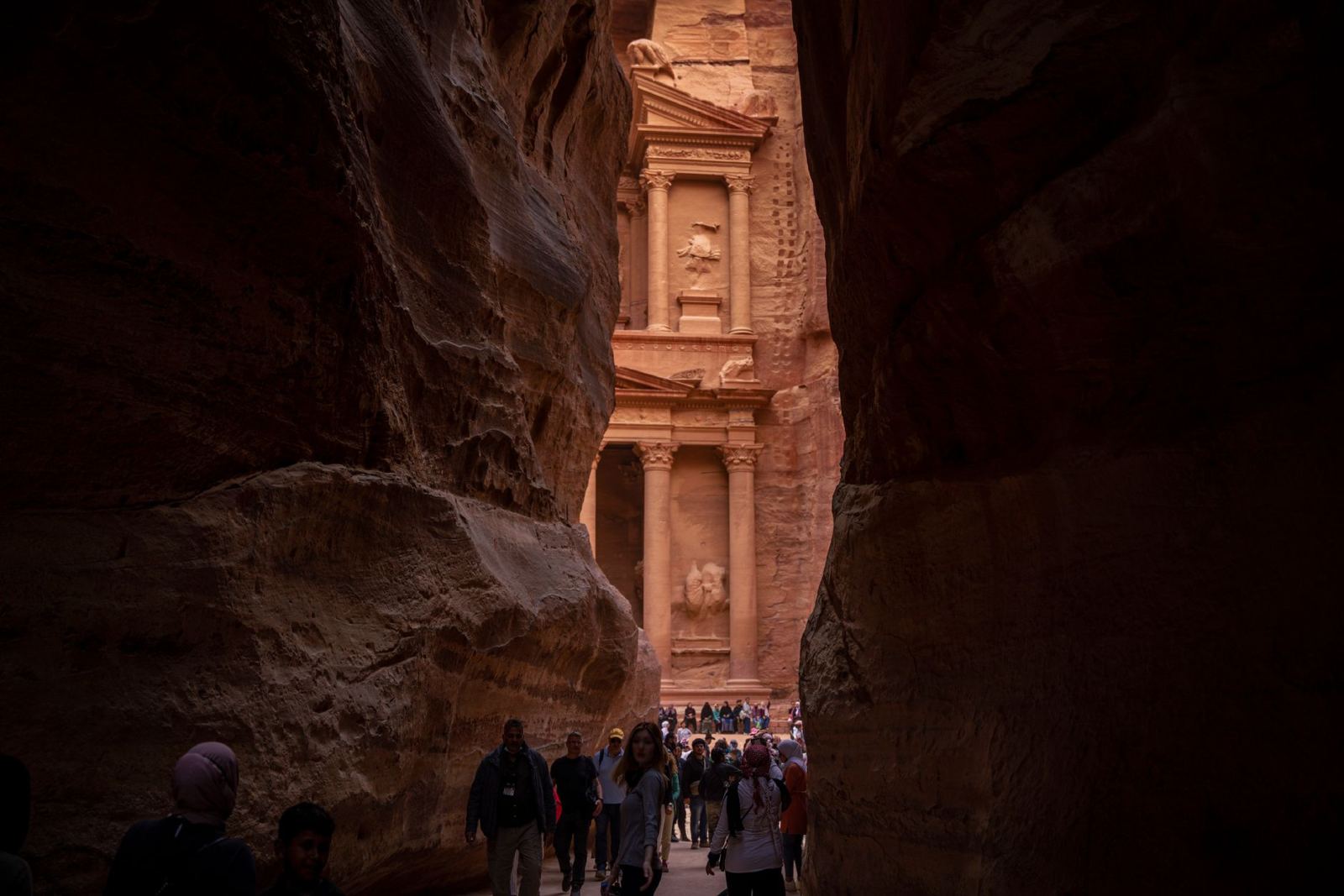
Give Petra at least one full day, ideally two: the first glimpse of the Treasury (Al-Khazneh) from the Siq canyon is one of travel's great moments — enter at opening, as crowds arrive toward noon. Save the 800-step climb to the Monastery (Ad-Deir) for the afternoon, and the trail overlooking the Treasury from above for day two. The candlelit 'Petra by Night' runs on set evenings of the week.
In Wadi Rum, a jeep tour covers the red dunes, rock bridges and canyons; the real experience is overnighting at a Bedouin camp — dinner emerging from the sand-buried zarb oven, followed by the desert stars, is the itinerary's summit. A balloon flight is the optional luxury.
In the Dead Sea you don't swim, you drift: half a day suffices, mud bath ritual included (keep water out of your eyes and don't pick shaving day). In the north, Jerash is among the Middle East's best-preserved Roman cities. Amman's citadel, Roman theatre and the cafés of Rainbow Street fill a day. With time to spare: add a hike in the Dana reserve or Red Sea diving at Aqaba. Madaba's mosaic map and Mount Nebo are natural stops on the Dead Sea road.
Food & Drink
The national dish is mansaf: lamb in a dried-yoghurt (jameed) sauce over rice — eaten by hand, right hand only, and shared, as tradition requires. The Bedouin camp's zarb (meat and vegetables from an oven buried in the sand) is the desert night's feast.
The everyday table is built on Levantine classics: hummus, mutabbal, falafel and fattet hummus for breakfast; shish and kofta on the grills. In Amman the knafeh chapter is serious business — pick the shop with the evening queue. Tea (heavily sugared, with sage) and cardamom-scented Arabic coffee are the language of hospitality; rather than declining, keep it company in small sips. Fresh pomegranate juice and shawarma are the reliable street solutions. Alcohol exists in tourist hotels and some restaurants but is never the table's centre.
Practical Tips
The Jordan Pass is the trip's most important purchase: it covers the visa fee and more than 40 sites including Petra — buy it online before travelling, choosing the version matching your Petra days. Renting a car is the most flexible option; roads are good and distances short (Amman–Petra is 3 hours). A car with driver or the JETT buses work as alternatives.
At Petra, water, a hat and solid shoes are essential; animal welfare is a concern with the 'ride up?' offers — walk instead. A tipping culture exists but is milder than Egypt's. Covering shoulders and knees buys ease in the cities; Aqaba and hotel pools run relaxed. Bottled water over tap. The country is among the region's safest, and a well-trodden, positive route for solo women travellers too. Everything opens late on Friday mornings. Dead Sea cosmetics and salts are the classic of the souvenir chapter — buy in Amman, not at the airport.