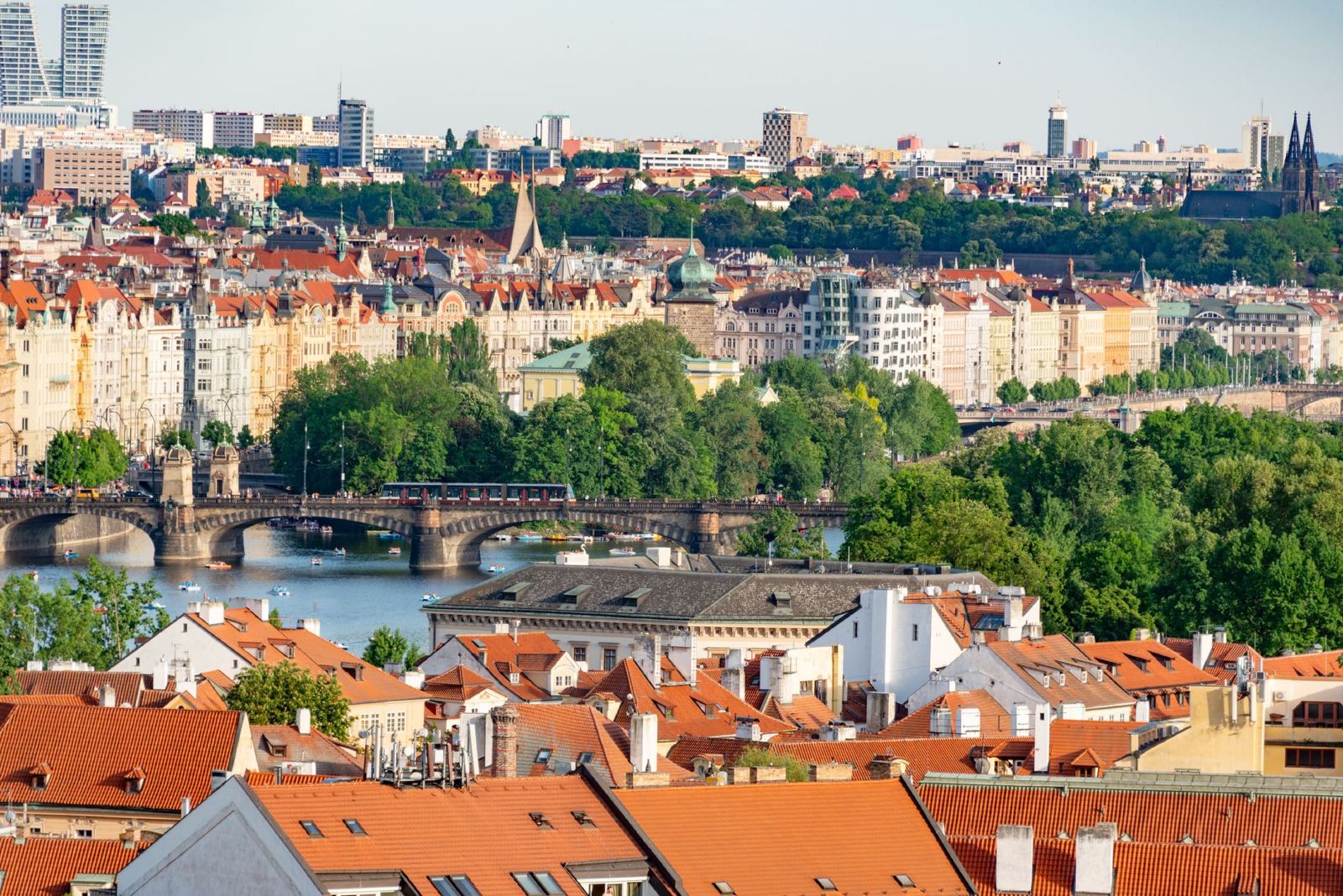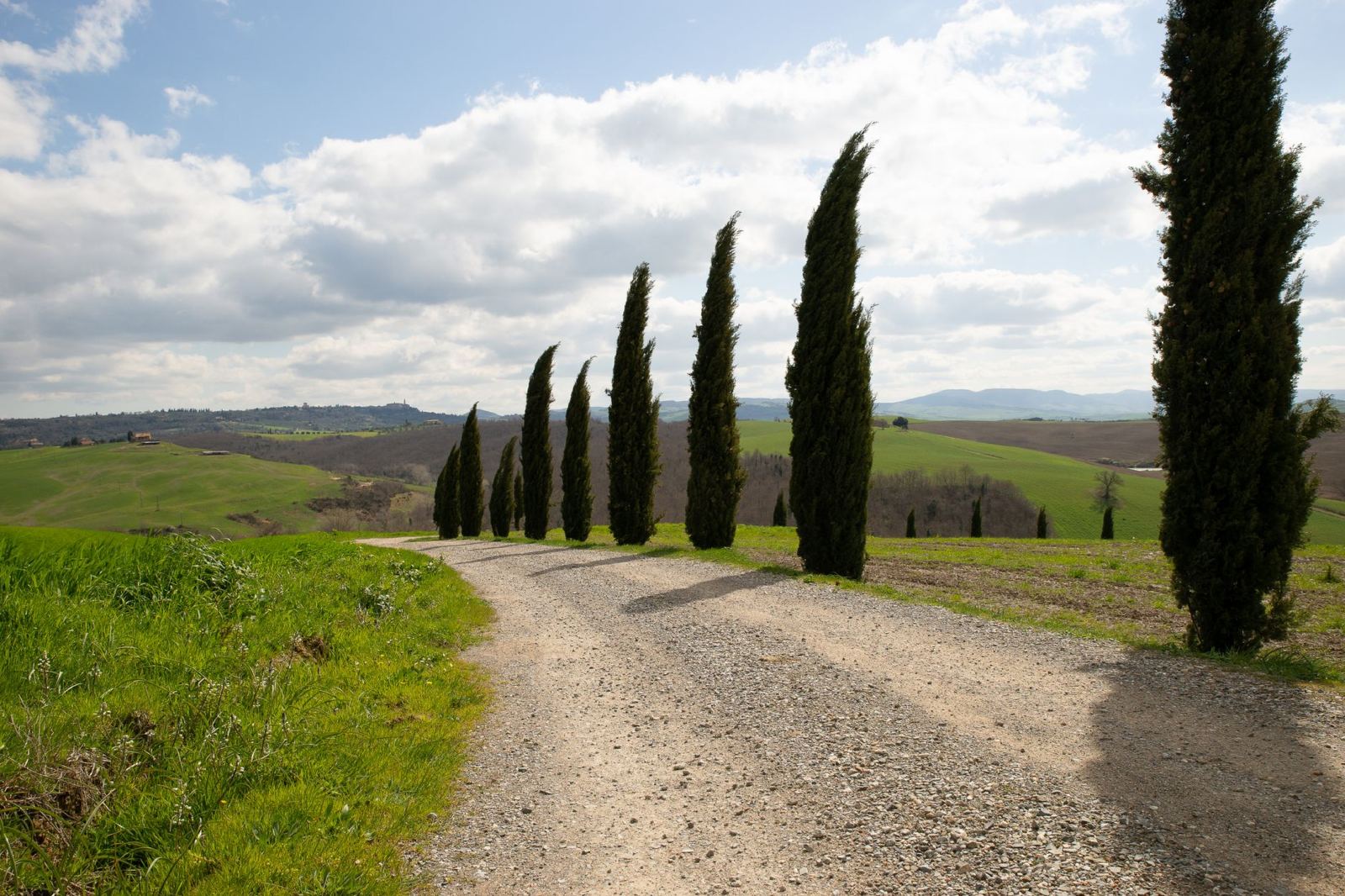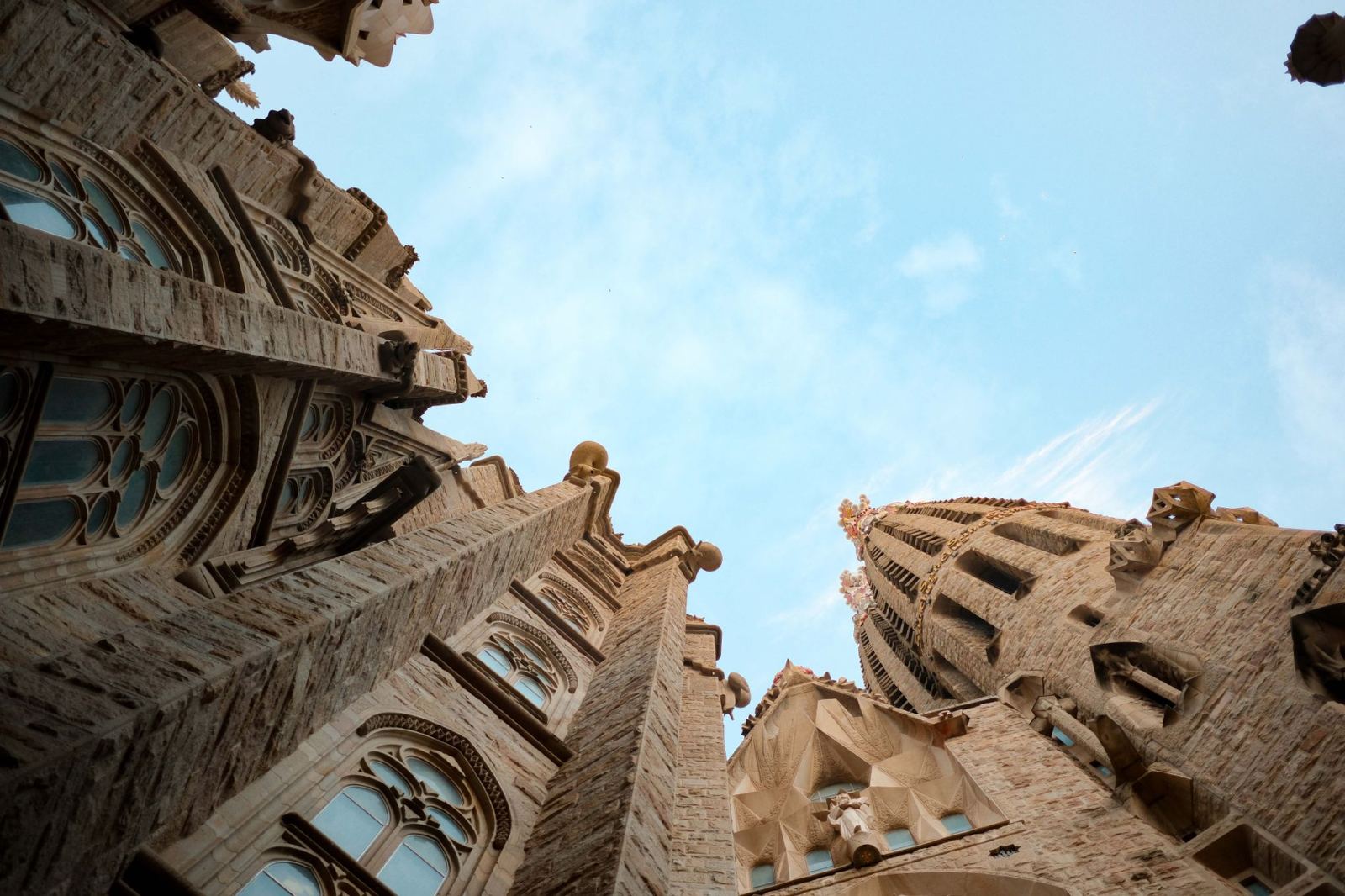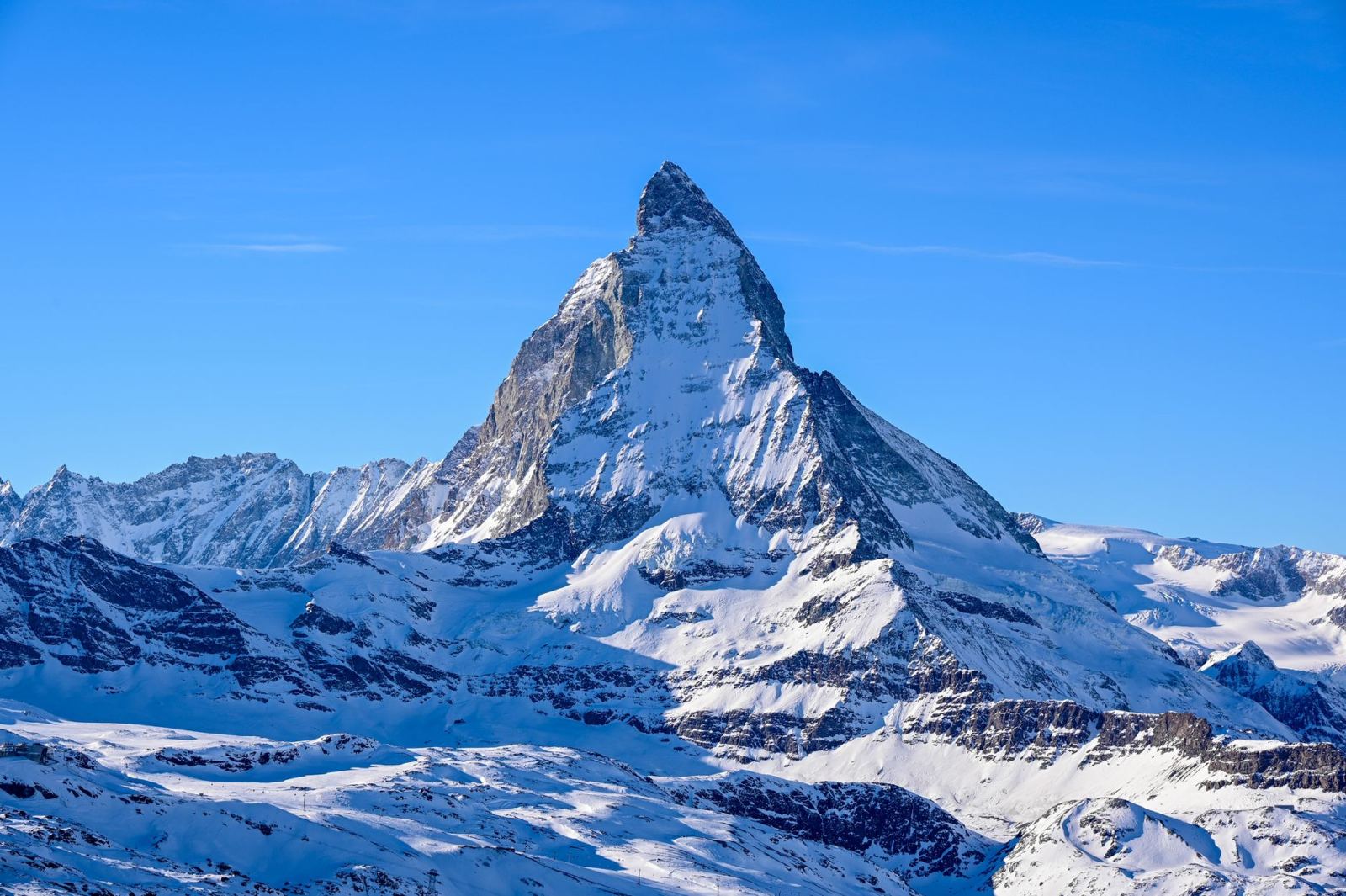
In Switzerland the true architecture is the mountains, and the country has perfected the infrastructure for viewing them: cog trains climb to the feet of glaciers, cable cars lift you to four-thousand-metre summits, yellow post buses serve the remotest passes. Here 'transport' is not the means of the trip — it usually is the trip.
Accept the budget truth upfront: Switzerland is expensive. But the return is concrete — trains leave to the minute, trails are signposted, lake water runs drinkably clear. And with the right pass, costs become manageable. The country is small; one base (Interlaken or Lucerne) shows you much, two bases nearly everything.
When to Go
Two seasons offer two different countries: June–September is hiking season (high trails open fully by July; September is clear and calm); December–March is ski season. May and November are 'between seasons': some cable cars close for maintenance and mountain hotels shut — check before planning. Summer afternoon thunderstorms in the mountains are classic; schedule summits for the morning. October is the Engadine valley's secret season, its larch forests turned to gold.
What to See & Do
The Bernese Oberland is the heart of a first trip: from an Interlaken base, the Lauterbrunnen valley (72 waterfalls), the car-free villages of Wengen and Mürren, and the summit choice of Schilthorn or Jungfraujoch. Jungfraujoch ('Top of Europe') is expensive but the glacier experience is real; the budget alternative, the First–Bachalpsee walk, delights most people more.
Zermatt is the car-free town at the Matterhorn's foot: the morning Gornergrat cog train (with the pyramid mirrored in the Riffelsee) is the classic of classics. Lucerne fills the city chapter with its lake-mountain-medieval bridge trio; Pilatus or Rigi make half-day summits from town.
The panoramic train chapter is a goal in itself: the Glacier Express (Zermatt–St. Moritz, 8 hours) and the Bernina Express's UNESCO line descending into Italy — the ordinary regional trains on the same rails cost far less and let you open the windows. On Lake Geneva, the Lavaux vine terraces and Chillon Castle are the western route's grace notes. Appenzell's rural traditions and the Aescher cliff restaurant are the eastern surprise.
Food & Drink
The cheese chapter is serious heritage: fondue and raclette are winter classics (ordering them in summer marks the tourist, though mountain huts forgive it), while Gruyère and Emmental are tasted at source on dairy tours. Rösti is the national comfort dish, classically paired with Zurich-style creamed veal (Zürcher Geschnetzeltes).
Chocolate here is craft, not industry: even the supermarket shelf runs high, but the pralines of small workshops play in another league. Mountain hut (berghaus) food — alplermagronen (Alpine macaroni), dried-meat platters, fruit tarts — is the hiker's reward. In drinks, Rivella (a whey soda — odd on paper, charming in the glass) is the national curiosity; Valais whites (Fendant) and Lavaux Chasselas carry the wine chapter. For budget balance, the Coop and Migros supermarket restaurants are a surprisingly good lunch solution.
Practical Tips
Pass arithmetic is the trip's first homework: the Swiss Travel Pass (train, bus, boat and museums, with 25–50% off mountain lines) pays off for most visitors; the Half Fare Card gives flexibility on longer stays. The mountain lines (Jungfraujoch, Gornergrat) aren't fully covered — budget them separately.
Four-to-six-minute train connections are safe; the system is built for them. On trails, yellow signs mean easy, white-red means mountain path; download routes for the valleys without signal. Tap and fountain water is drinkable everywhere — buying bottled water is the emblem of unnecessary Swiss expense. Shops close on Sundays; station supermarkets are the exception. For lodging, the mountain villages (Wengen, Mürren) include the view in the room price — no dearer than Interlaken. And keep a plan B for low-cloud days: checking the summit webcam before boarding the cable car is the local reflex.