Bangkok is not a first-impression city; its traffic, humidity and noise may wear you down at the start. But on day two something shifts: you eat the pad thai of your life at a street stall, the breeze hits your face on a Chao Phraya river boat, and the city takes you in.
This is a capital of contrasts: century-old canal neighbourhoods (khlongs) beneath rooftop bars, incense-filled temples beside luxury malls. The way to love Bangkok is to meet it on its own terms — keep plans loose, take air-conditioned breaks, and be brave with street food.
When to Go
November–February is the 'cool' season — still hot, but humidity drops and evenings are pleasant; it's also peak season. March–May is scorching (except for the Songkran water festival in April, a reason to visit in itself). June–October is monsoon season; rains usually last an hour or two in the afternoon and prices drop sharply.
What to See & Do
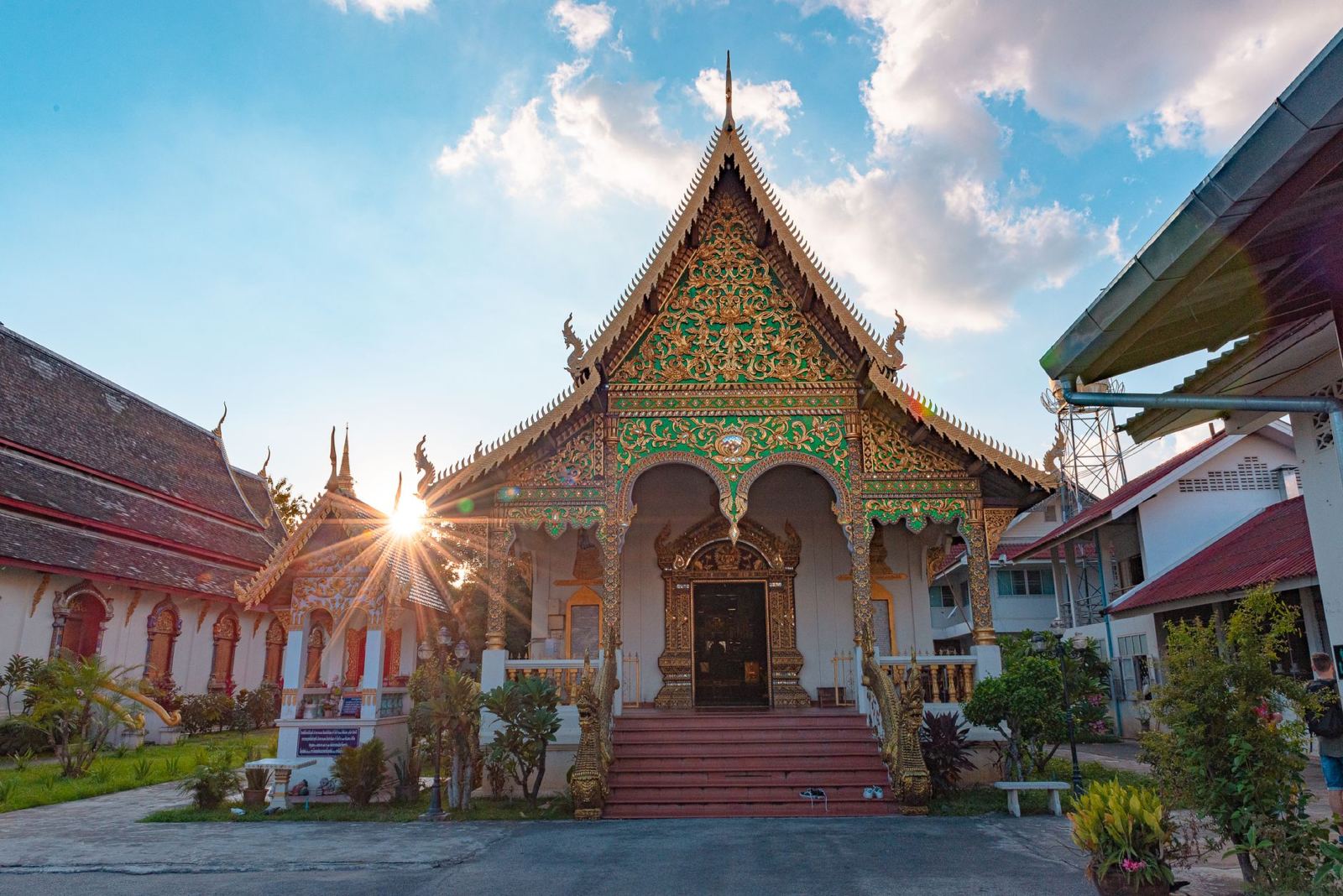
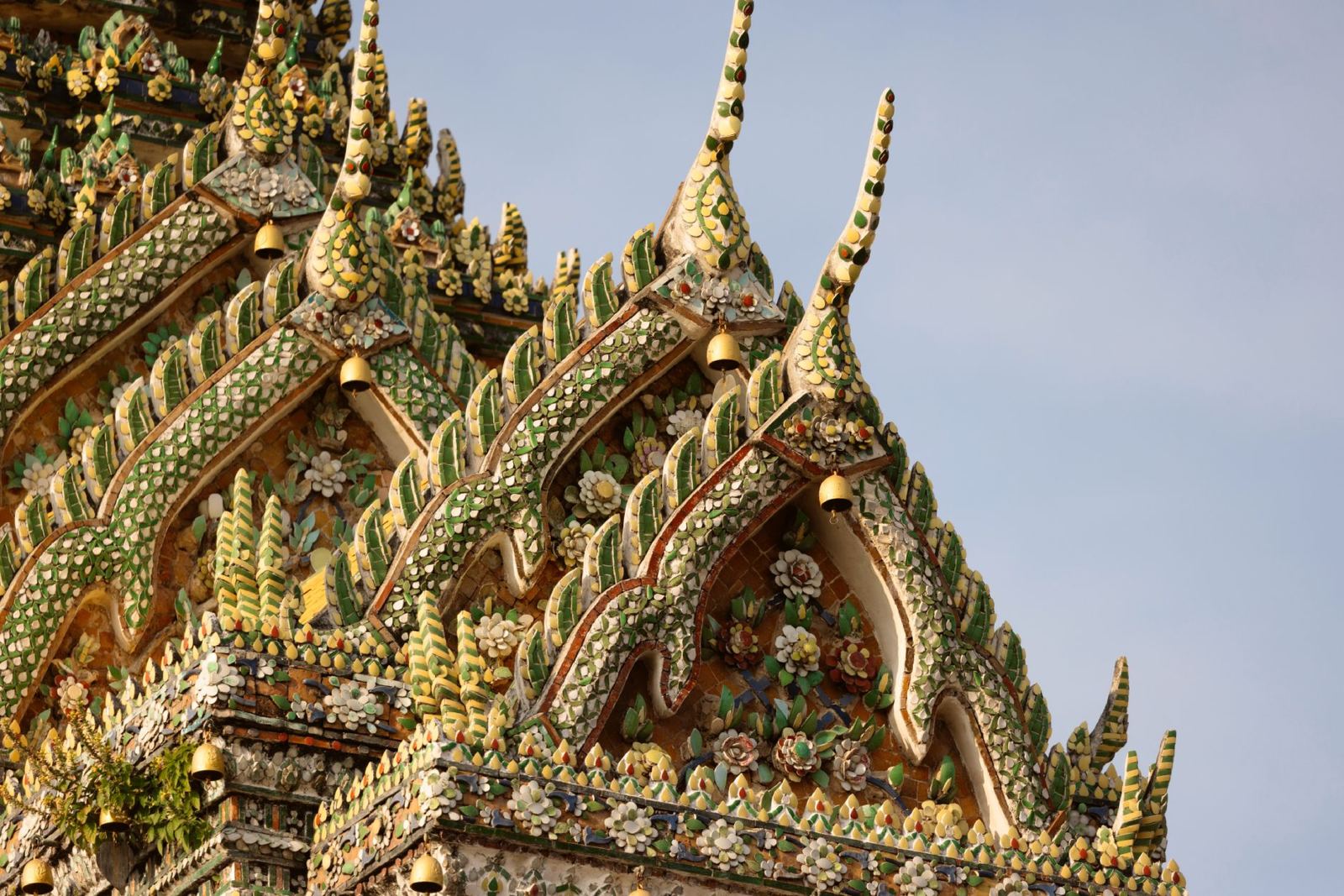
The Grand Palace and Wat Phra Kaew (the Emerald Buddha) should be visited at opening time — for both the cool air and the crowds. Next door, Wat Pho holds the 46-metre Reclining Buddha and the traditional Thai massage school; have your massage here. Wat Arun across the river is best photographed from the opposite bank at sunset.
The Chao Phraya express boats work as both transport and tour; ride the local line rather than the tourist boat. The Chatuchak weekend market, with 15,000 stalls, deserves a full day; on weekdays, the flower market (Pak Khlong Talat) is at its liveliest around midnight.
The Jim Thompson House tells the story of Thai silk in an elegant teak home. Chinatown (Yaowarat) becomes a food paradise after dark. For an air-conditioned break, the Bangkok Art and Culture Centre (BACC) or one of the mega-malls will do the job.
Food & Drink
Bangkok street food defends its claim as the world's best at every stall: pad thai, som tam (papaya salad), mango sticky rice, boat noodles... The rule is simple: a stall with a queue of locals is a safe stall.
Yaowarat (Chinatown) is ideal in the evening, the Or Tor Kor market by day. Joining a food tour is the fastest way to map the scene on day one. On spice, 'mai phet' (not spicy) or 'phet nit noi' (a little spicy) will save your life. Rooftop bars enforce dress codes; don't show up in shorts and flip-flops.
Practical Tips
Traffic is legendarily bad; make the BTS Skytrain, MRT metro and river boats your default. The tuk-tuk experience is fun, but agree the price beforehand — for short hops they cost more than taxis.
Politely refuse anyone saying 'it's closed today, let me take you somewhere else' — it's the classic scam. Insist on the meter in taxis. Cover shoulders and knees at temples; shoes come off at the entrance. Turning your back on a Buddha statue for a selfie is considered disrespectful. Speaking ill of the royal family is against the law — leave the topic alone entirely.